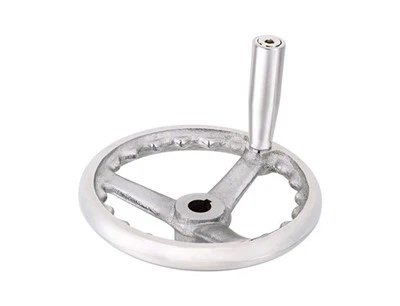
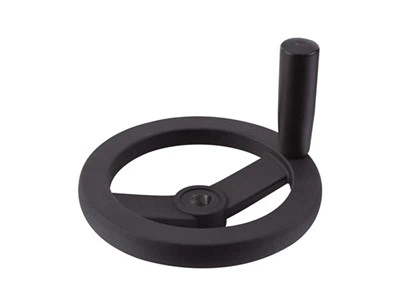
The price of a double-spoke handwheel is not static; by gaining a better understanding of this product, one can identify the primary factors that influence its cost. Broadly speaking, the factors affecting the price of this product can be categorized into the following aspects:
1. Material Differences Lead to Price Variations.
It is entirely normal for products made from different materials to command different prices. Generally speaking, metal materials are significantly more expensive than plastic materials. Metal options include stainless steel, standard steel, aluminum alloy, and zinc alloy, while plastic options include Bakelite, nylon, PP, and ABS.
Even within the category of metal materials, the specific choice-whether stainless steel, standard steel, aluminum alloy, or zinc alloy-results in different price points; similarly, prices vary even among different types of plastic materials. Furthermore, different materials possess distinct performance characteristics.
2. Varying Manufacturing Processes Result in Price Differences.
The sophistication and maturity of the manufacturing process directly correlate with the quality of the final product. When making a purchase, customers should determine the required product specifications based on the demands of their actual working environment-for instance, whether the environment involves exposure to acids, alkalis, or chemical reagents; whether it is humid; whether there are specific requirements regarding surface aesthetics; or whether a comfortable tactile feel is a priority.
3. Geographical Location Influences Pricing.
Due to regional disparities in economic development, consumption levels vary across different geographical areas. Generally, the economies of eastern coastal regions are more developed than those of inland regions; consequently, product prices in these coastal areas tend to be higher.
The sourcing channels for raw materials and labor costs also vary by region, factors that directly impact the final price of the product. Additionally, imported products typically carry a higher price tag than those manufactured domestically.
4. Differences in Process Flow Affect Pricing.
The manufacturing process flow directly influences product quality. If a manufacturer prioritizes and meticulously executes the process flow, the resulting products will feature smooth, refined surfaces and exhibit high quality. Conversely, if a manufacturer engages in shoddy workmanship, the resulting products may lack precision, possess rough surfaces, and have a significantly shorter service life.
Double-spoke handwheels hold a significant market share across numerous industries. They are widely utilized in various applications, including machine tools, packaging machinery, food processing equipment, welding apparatus, and textile machinery. Their integration allows for the effortless operation of equipment, thereby reducing the physical exertion required of the machine operators. The market price of this product is a matter of significant interest to users; indeed, many purchasers focus solely on the price tag-whether high or low-while disregarding other critical factors such as the product's intended operating environment, load-bearing capacity, quality performance, and service life. This approach can easily result in the acquisition of a product that fails to meet actual operational requirements.
When selecting this product, users should adopt a comprehensive perspective rather than fixating exclusively on price to the neglect of other aspects; it is crucial to make a selection based on the specific, real-world conditions under which the product will be utilized. One should not compromise on a product's quality, performance, or aesthetics merely to save a few cents or dollars.
The price of a double-spoke handwheel fluctuates in response to changing market conditions. If you wish to obtain current pricing information for this product, we recommend contacting the supplier, who should be able to provide you with accurate and up-to-date price details.