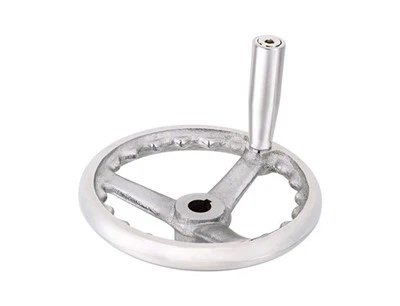
When using bakelite handwheels, we need to pay attention to several points to ensure their proper functioning. Today, we'll briefly introduce some key points to consider during use, hoping to draw your attention to them.
1. Ensure the quality and compatibility of the handwheel. When selecting a handwheel, choose a reliable and durable product. Ensure the handwheel and equipment are well-matched; this guarantees stability and reliability during use. Furthermore, select the appropriate size based on actual needs for easy operation.
2. Install the handwheel correctly. Before installing the handwheel, carefully read the manufacturer's installation instructions and follow the steps outlined. Ensure the handwheel and shaft are aligned. If necessary, use professional tools to secure the handwheel properly. Avoid installation that is too tight or too loose, as improper installation can damage the handwheel or cause malfunction.
3. Regularly inspect and maintain the handwheel. During use, regularly inspect the handwheel surface for cracks, wear, or deformation. Simultaneously, carefully check the flexibility and lubrication of the handwheel. If any abnormalities are found, take immediate action to repair or replace it.
4. Control the force applied. Controlling the force applied during use is crucial; excessive force may damage or cause the handwheel to malfunction. Therefore, adjust the force according to actual needs and design requirements, avoiding excessive pressure to protect the handwheel and related mechanical components.
5. Operator training and guidance. For personnel who frequently operate the handwheel, it is essential to master the correct operating methods. Operators should receive relevant training and guidance, becoming familiar with all parts of the handwheel, operating methods, and precautions. This can help prevent unnecessary human errors and accidents.
6. Store the handwheel properly. When the handwheel is not used for an extended period, store it in a dry, clean environment, avoiding exposure to moisture or extreme temperatures. During storage, ensure the handwheel is not bumped or pressed against heavy objects to prevent deformation or damage.
7. Regularly inspect the entire mechanical system. In addition to the handwheel, inspect all related components to ensure the entire mechanical system is functioning properly. If any loosening, wear, or other potential problems are found, you need to address them promptly.
In addition to the above precautions, some additional details require attention. Avoid direct contact between the handwheel and corrosive substances. If corrosive liquids or chemicals are present in the working environment, use a protective cover or other protective measures to protect the handwheel. Furthermore, keep the handwheel away from heat sources and high temperatures to prevent it from melting.
In summary, when using bakelite handwheels, we need to pay special attention to the quality and compatibility of the handwheel, proper installation, regular inspection and maintenance, moderate control of the force applied, operator training and guidance, proper storage, and prevention of corrosion and avoidance of high temperatures. By following these precautions, users can significantly extend the lifespan of the handwheel and save costs.