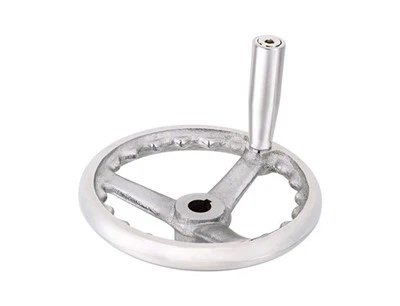
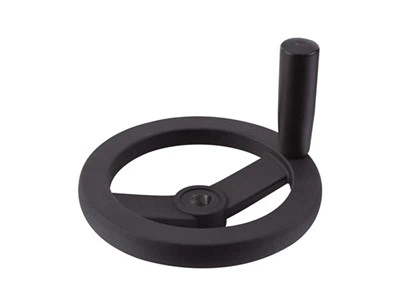
A rotating handle is a common mechanical operating component, and its structural principles are primarily based on mechanics and mechanical design. A rotating handle typically consists of the following components:
1. Handle Body: This is the main body of the rotating handle, typically made of durable materials such as metal or engineering plastics. Its shape is ergonomically designed for easy grip and application of force.
2. Rotating Shaft: The rotating shaft is the key component connecting the handle body to the operated object, responsible for transmitting the handle's rotational torque. The rotating shaft is typically strong and rigid to prevent deformation or breakage during long-term use.
3. Bearings and Fixings: To ensure smooth and stable rotation of the rotating handle, bearings are typically installed on the rotating shaft. Fixings also secure the rotating handle in place to prevent it from shifting during use.
4. Limiter (Optional): Some rotating handles are also equipped with a limiter to limit the handle's rotation angle to prevent damage or safety accidents caused by excessive rotation.
The working principle of a rotary handle is to rotate the handle body to drive the rotating shaft and the operated object to rotate together, thereby achieving operation and control of the equipment. This design has advantages such as simple operation, high torque transmission efficiency, and long service life. Therefore, it is widely used in various mechanical equipment and tools.