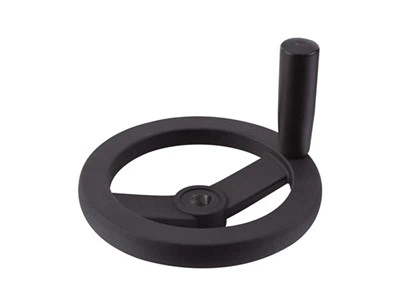
Hey there, folks! As a solid handwheels supplier, I've seen firsthand how crucial it is to boost the safety factor of these nifty tools, especially in high - risk applications. In this blog, I'm gonna share some practical tips on making solid handwheels safer for those tough jobs.
Understanding the Risks in High - Risk Applications
First things first, we need to know what we're up against. High - risk applications can be found in industries like manufacturing, construction, and chemical processing. In these settings, solid handwheels are often used to control machinery, valves, or other critical equipment. The risks include things like accidental operation, which can lead to equipment damage or even serious injuries.
For instance, in a chemical plant, a handwheel might be used to control the flow of hazardous substances. If the handwheel is accidentally turned, it could cause a chemical spill, endangering the lives of workers and the environment. In a manufacturing facility, an unexpected movement of a handwheel on a large machine could lead to a jam, damaging the equipment and halting production.
Material Selection
One of the key factors in improving the safety of solid handwheels is choosing the right materials. The material should be strong enough to withstand the forces applied during operation and resistant to wear and tear.
Metals like stainless steel are a popular choice. They're corrosion - resistant, which is great for applications where the handwheel might be exposed to chemicals or harsh environments. Stainless steel also has high strength, so it can handle heavy loads without deforming.


Plastics can also be a good option, especially for applications where weight is a concern. Some high - performance plastics can offer excellent resistance to impact and chemicals. For example, polycarbonate is known for its toughness and clarity, which can be useful if you need to see through the handwheel for some reason.
Design Features
Anti - Slip Surfaces
An anti - slip surface is a must - have for solid handwheels in high - risk applications. When workers are operating the handwheel, they might have wet or greasy hands, especially in industrial settings. An anti - slip surface ensures that they can grip the handwheel firmly.
This can be achieved through texturing the surface of the handwheel. For example, creating a rough or knurled pattern on the outer edge of the handwheel gives the user a better hold. Some handwheels even come with rubberized grips, which are extremely effective at preventing slips.
Locking Mechanisms
Adding a locking mechanism to the handwheel can significantly increase safety. A locking mechanism prevents the handwheel from being accidentally turned. There are different types of locking mechanisms available.
One common type is a simple pin - lock system. When the handwheel is in the desired position, a pin can be inserted to hold it in place. Another option is a key - lock system, which provides an extra layer of security, as only authorized personnel can unlock the handwheel.
Visual Indicators
Visual indicators can be very helpful in high - risk applications. They allow workers to quickly and easily see the position of the handwheel and the status of the equipment it controls.
For example, Indicator Handwheels come with built - in indicators that show the exact position of the handwheel. This can be especially useful in a control panel where multiple handwheels are used to operate different functions. Workers can quickly glance at the indicators to make sure everything is working as it should.
Installation and Maintenance
Proper Installation
Installing the solid handwheel correctly is crucial for its safe operation. It should be securely attached to the equipment, and all the connections should be tight. Improper installation can cause the handwheel to loosen over time, which can lead to unexpected movements.
Follow the manufacturer's instructions carefully during installation. Make sure to use the right tools and fasteners. If you're not sure how to install the handwheel, it's always a good idea to consult a professional.
Regular Maintenance
Regular maintenance is essential to keep the handwheel in good working condition. This includes checking for wear and tear, lubricating moving parts, and tightening any loose connections.
Inspect the handwheel regularly for signs of damage, such as cracks or excessive wear on the surface. If you notice any problems, address them immediately. Lubrication can prevent friction and ensure smooth operation of the handwheel.
Employee Training
No matter how safe the handwheel is designed, if the employees don't know how to use it properly, there's still a risk. That's why employee training is so important.
Provide comprehensive training to all workers who will be using the solid handwheels. Teach them about the risks associated with high - risk applications, how to operate the handwheel safely, and what to do in case of an emergency.
Training should also include hands - on practice. Let the workers actually use the handwheel in a safe environment so they can get familiar with its operation.
Types of Handwheels for High - Risk Applications
Two - Spoke Handwheels
Two - spoke Handwheels are a popular choice for high - risk applications. They offer a good balance between strength and ease of use. The two - spoke design allows for a comfortable grip, even with gloves on. They're often used in applications where quick adjustments are needed, such as on small machinery.
Internal Handwheels
Internal Handwheels are another option. They're designed to be installed inside the equipment, which can provide an extra layer of protection. Internal handwheels are less likely to be accidentally bumped or operated by unauthorized personnel. They're commonly used in applications where security is a top concern, such as in control panels for sensitive equipment.
Conclusion
Improving the safety factor of solid handwheels in high - risk applications is a multi - faceted process. It involves choosing the right materials, adding design features like anti - slip surfaces and locking mechanisms, proper installation and maintenance, and employee training.
If you're in need of solid handwheels for high - risk applications, don't hesitate to reach out. We're here to help you select the best handwheels for your specific needs and ensure they're as safe as can be.
Let's work together to make high - risk applications a lot safer with top - notch solid handwheels.
References
"Handwheel Design and Safety in Industrial Applications", Industrial Safety Journal, 20XX
"Material Selection for Handwheels in Harsh Environments", Materials Science Review, 20XX