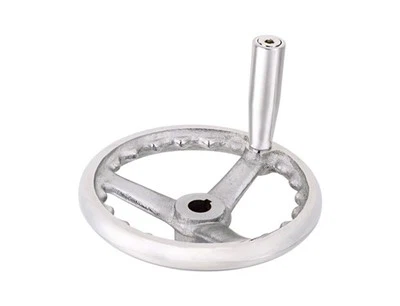
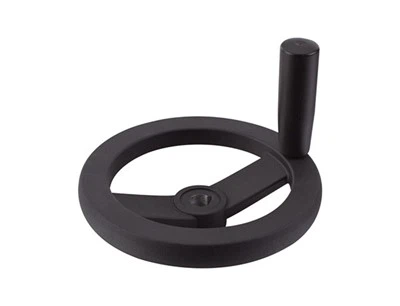
Handwheels are critical control elements in mechanical equipment operation, so choosing the right size is crucial. First, it's important to understand the standard size range for handwheels. According to international standard ISO 11998, handwheel diameters typically range from 80mm to 200mm, with the most common range being 100mm to 150mm.
Furthermore, different types of handwheels have specific dimensions. For example, knob handwheels are smaller, with diameters of approximately 20mm to 50mm; handle handwheels are medium-sized, with diameters between 50mm and 100mm, making them more suitable for extended operation. Folding handle handwheels have diameters of approximately 100mm to 150mm, folding for space-saving design. Double-handle handwheels are larger, with diameters between 150mm and 250mm, allowing for two-handled operation.
So, how do you choose the right handwheel size? The key lies in three key points: first, select the handwheel type based on the equipment scale and operational requirements; second, refer to the international standard ISO 11998 to ensure that the handwheel diameter meets the requirements; and third, comprehensively consider practical factors such as feel and operating environment before making the final choice. In short, accurately selecting the handwheel size is crucial to improving operational efficiency and precision.