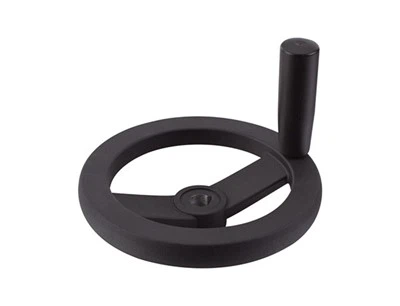
As a supplier of black knurled knobs, I often encounter inquiries from customers regarding the resistance of these knobs to oil. This question is crucial, especially for industries where knobs are exposed to oily environments, such as automotive manufacturing, machinery maintenance, and food processing. In this blog, I will delve into the science behind the oil resistance of black knurled knobs, exploring the materials used, surface treatments, and practical applications.
Understanding the Materials
The oil resistance of black knurled knobs largely depends on the materials from which they are made. Common materials for these knobs include metals like stainless steel, aluminum, and brass, as well as plastics such as nylon and polycarbonate.


Metals
- Stainless Steel: Stainless steel is a popular choice for black knurled knobs due to its excellent corrosion resistance. Chromium in stainless steel forms a passive oxide layer on the surface, which protects the metal from oxidation and corrosion. When it comes to oil resistance, stainless steel can withstand most types of oils, including mineral oils, synthetic oils, and hydraulic oils. The smooth surface of stainless steel also makes it difficult for oil to adhere, reducing the risk of contamination.
- Aluminum: Aluminum is lightweight and has good thermal conductivity. However, its oil resistance is relatively lower compared to stainless steel. Aluminum can corrode in the presence of certain types of oils, especially those with high acidity or alkalinity. To improve its oil resistance, aluminum knobs are often anodized. Anodizing creates a hard, protective oxide layer on the surface of the aluminum, which enhances its resistance to oil and other chemicals.
- Brass: Brass is an alloy of copper and zinc, known for its good electrical conductivity and aesthetic appeal. Similar to aluminum, brass can be susceptible to corrosion in oily environments. However, brass knobs can be coated with a protective finish, such as nickel or chrome plating, to improve their oil resistance.
Plastics
- Nylon: Nylon is a strong and durable plastic with good chemical resistance. It is resistant to many types of oils, including lubricating oils and hydraulic fluids. Nylon knobs are often used in applications where a lightweight and non - metallic option is required. The smooth surface of nylon also makes it easy to clean, reducing the buildup of oil and dirt.
- Polycarbonate: Polycarbonate is a transparent and impact - resistant plastic. It has excellent resistance to a wide range of chemicals, including oils. Polycarbonate knobs are commonly used in applications where visibility or aesthetic appeal is important, such as in control panels or display units.
Surface Treatments
In addition to the base materials, surface treatments play a significant role in enhancing the oil resistance of black knurled knobs.
Black Oxide Coating
Black oxide coating is a popular surface treatment for metal knobs. It not only provides a black finish for aesthetic purposes but also improves the corrosion and oil resistance of the knobs. The black oxide coating forms a thin, porous layer on the surface of the metal, which can absorb and retain a small amount of oil. This oil film acts as a lubricant and a protective barrier, preventing further oil penetration and corrosion.
Powder Coating
Powder coating is another effective way to improve the oil resistance of knobs. A powder coating is applied electrostatically to the surface of the knob and then cured in an oven. The resulting coating is durable, smooth, and resistant to oil, chemicals, and abrasion. Powder - coated knobs are available in a variety of colors, including black, and can provide a high - quality finish for both indoor and outdoor applications.
Teflon Coating
Teflon coating, also known as polytetrafluoroethylene (PTFE) coating, is a non - stick and chemically resistant coating. It can significantly improve the oil resistance of knobs by preventing oil from adhering to the surface. Teflon - coated knobs are easy to clean and maintain, making them suitable for applications where frequent cleaning is required.
Practical Applications
The oil resistance of black knurled knobs makes them suitable for a wide range of applications in various industries.
Automotive Industry
In the automotive industry, black knurled knobs are used in engine compartments, transmission systems, and oil - filled components. These knobs need to withstand exposure to engine oil, transmission fluid, and other lubricants. Stainless steel or anodized aluminum knobs with appropriate surface treatments are commonly used in automotive applications to ensure long - term durability and performance.
Machinery Manufacturing
In machinery manufacturing, knobs are used to control various functions, such as adjusting the speed, tension, or position of machine parts. Many machines use lubricating oils to reduce friction and wear. Black knurled knobs with good oil resistance are essential to prevent the knobs from being damaged by the oil and to ensure smooth operation of the machinery. For example, Metal Star Knob and Deflection Knobs are often used in industrial machinery and require high - quality oil - resistant materials.
Food Processing Industry
In the food processing industry, knobs are used in equipment such as mixers, conveyors, and packaging machines. These knobs need to be resistant to food oils, fats, and cleaning agents. Nylon or polycarbonate knobs are often preferred in this industry due to their non - toxic nature and good oil resistance. Additionally, knobs with smooth surfaces and easy - to - clean designs are essential to maintain hygiene standards.
Testing the Oil Resistance
To ensure the quality and oil resistance of black knurled knobs, various testing methods can be employed.
Immersion Testing
Immersion testing involves immersing the knobs in a specific type of oil for a certain period of time. The knobs are then examined for any signs of corrosion, swelling, or discoloration. This test can provide valuable information about the long - term performance of the knobs in an oily environment.
Contact Angle Measurement
Contact angle measurement is a technique used to determine the wettability of the knob surface. A small drop of oil is placed on the surface of the knob, and the contact angle between the oil drop and the surface is measured. A larger contact angle indicates better oil resistance, as the oil is less likely to spread and adhere to the surface.
Abrasion Testing
Abrasion testing is used to evaluate the durability of the surface treatment on the knobs. The knobs are subjected to a controlled amount of abrasion while in contact with oil. This test can simulate the wear and tear that the knobs may experience in real - world applications.
Conclusion
In conclusion, black knurled knobs can be highly resistant to oil, depending on the materials used and the surface treatments applied. Metals such as stainless steel and anodized aluminum, along with plastics like nylon and polycarbonate, offer good oil resistance. Surface treatments such as black oxide coating, powder coating, and Teflon coating can further enhance the oil resistance and durability of the knobs.
Whether you are in the automotive, machinery manufacturing, or food processing industry, choosing the right black knurled knobs with excellent oil resistance is crucial for the reliable operation of your equipment. If you are interested in purchasing high - quality black knurled knobs or other types of knobs such as Knurled Thread Clamping Knob, please feel free to contact us for more information and to discuss your specific requirements. We are committed to providing you with the best products and services to meet your needs.
References
- ASM Handbook, Volume 13A: Corrosion: Fundamentals, Testing, and Protection.
- Plastics Engineering Handbook of the Society of Plastics Engineers.
- Automotive Materials and Manufacturing Processes.