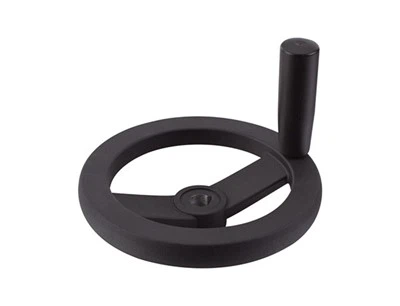
Are indicator handwheels made of non - magnetic materials?
As a supplier of indicator handwheels, I often encounter inquiries regarding the materials used in their construction, particularly the question of whether they are made of non - magnetic materials. This topic is not only relevant to the functionality of the handwheels but also to their suitability for various industrial applications.
Understanding the Importance of Non - Magnetic Materials
In many industrial settings, magnetic interference can pose significant problems. For instance, in precision measurement and control systems, magnetic fields can distort the accuracy of sensors and other sensitive components. Indicator handwheels that are used in these environments need to be made of non - magnetic materials to ensure that they do not introduce any unwanted magnetic interference.
Non - magnetic materials also have advantages in applications where corrosion resistance is crucial. In industries such as food processing, pharmaceuticals, and marine, where exposure to moisture and chemicals is common, non - magnetic materials like certain plastics and aluminum alloys can provide better durability compared to magnetic metals that may rust or corrode over time.
Common Materials for Indicator Handwheels
Plastics
Plastics are a popular choice for indicator handwheels due to their non - magnetic properties. They are lightweight, easy to mold into various shapes, and can be produced at a relatively low cost. For example, polycarbonate and acrylonitrile butadiene styrene (ABS) are commonly used plastics in handwheel manufacturing. These materials offer good impact resistance and can be designed with a smooth surface finish, which is beneficial for easy gripping.
Aluminum Alloys
Aluminum alloys are another excellent option for non - magnetic indicator handwheels. They are known for their high strength - to - weight ratio, corrosion resistance, and good thermal conductivity. Aluminum Alloy Handwheel products made from aluminum alloys can withstand harsh operating conditions and are often used in industrial machinery and equipment. The alloying elements in aluminum can be adjusted to enhance specific properties such as hardness and ductility, making them suitable for a wide range of applications.
Stainless Steel (Non - Magnetic Grades)
Some grades of stainless steel are non - magnetic, such as austenitic stainless steels (e.g., 304 and 316). These materials offer high corrosion resistance and mechanical strength. They are often used in applications where a more robust and durable handwheel is required, such as in heavy - duty industrial machinery. However, it's important to note that not all stainless steels are non - magnetic; ferritic and martensitic stainless steels are magnetic.
Types of Indicator Handwheels and Their Material Choices
Spoked Handwheels
Spoked Handwheels are a common type of indicator handwheel. They are designed with spokes that provide a comfortable grip and allow for easy rotation. Spoked handwheels can be made from various non - magnetic materials. Plastics are often used for lightweight and cost - effective spoked handwheels, while aluminum alloys are preferred for applications that require higher strength and durability.


Two - spoke Handwheels
Two - spoke Handwheels are a specific type of spoked handwheel with only two spokes. They are typically used in applications where a more compact and precise handwheel is needed. Similar to other spoked handwheels, two - spoke handwheels can be made from non - magnetic plastics or aluminum alloys, depending on the specific requirements of the application.
Testing for Non - Magnetic Properties
As a supplier, we ensure that our indicator handwheels made from non - magnetic materials meet the required standards. We use magnetic field testers to verify the non - magnetic nature of the materials during the manufacturing process. This testing is crucial to guarantee that the handwheels will not cause any magnetic interference in the end - use applications.
Applications of Non - Magnetic Indicator Handwheels
Non - magnetic indicator handwheels are widely used in several industries:
- Medical Equipment: In medical devices such as MRI machines and precision surgical instruments, non - magnetic handwheels are essential to avoid any magnetic interference that could affect the accuracy of the equipment or pose a risk to patients.
- Electronics Manufacturing: In the production of electronic components, where sensitive electronic circuits are involved, non - magnetic handwheels are used to prevent magnetic fields from disrupting the manufacturing process.
- Aerospace and Defense: In aerospace and defense applications, non - magnetic handwheels are used in navigation systems, radar equipment, and other sensitive instruments to ensure reliable operation.
Customization of Non - Magnetic Indicator Handwheels
We understand that different customers may have specific requirements for their indicator handwheels. That's why we offer customization services. We can customize the size, shape, color, and surface finish of the handwheels according to the customer's specifications. For example, we can add markings or labels to the handwheels for better indication and identification. We can also incorporate special features such as knurling on the surface for improved grip.
Conclusion
In conclusion, indicator handwheels can indeed be made of non - magnetic materials, and there are several excellent options available, including plastics, aluminum alloys, and non - magnetic stainless steels. These materials offer a range of benefits such as non - magnetic properties, corrosion resistance, and mechanical strength, making them suitable for a wide variety of industrial applications.
If you are in the market for high - quality non - magnetic indicator handwheels, we invite you to contact us for a detailed discussion about your requirements. Our team of experts is ready to assist you in selecting the most suitable handwheel for your application and providing you with a competitive quote.
References
- ASM Handbook Committee. (2001). ASM Handbook Volume 2: Properties and Selection: Nonferrous Alloys and Special - Purpose Materials. ASM International.
- Callister, W. D., & Rethwisch, D. G. (2014). Materials Science and Engineering: An Introduction. Wiley.