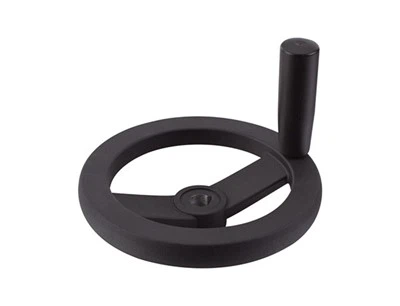
As a supplier of indicator handwheels, one question I'm frequently asked is, "Are indicator handwheels waterproof?" This query is not only valid but also crucial for many industries where handwheels are used in various environmental conditions. In this blog, I'll delve into the waterproofing capabilities of indicator handwheels, exploring the factors that influence their water resistance and the types of handwheels that are better suited for wet environments.
Understanding the Basics of Indicator Handwheels
Indicator handwheels are essential components in many industrial and mechanical systems. They are used to control the position of valves, actuators, and other machinery. The handwheels come in different types, including Position Indicator Handwheels, Solid Handwheels, and Stainless Steel Spoked Handwheel. Each type has its own design and functionality, which can affect its waterproofing properties.
Factors Affecting Waterproofing
Several factors determine whether an indicator handwheel is waterproof. The first is the material used in its construction. Materials like stainless steel, aluminum, and certain plastics are known for their corrosion resistance and can withstand exposure to water better than others. For example, stainless steel handwheels are often used in marine and food processing industries because they can resist rust and corrosion caused by water and chemicals.
Another factor is the design of the handwheel. Handwheels with a solid construction are generally more waterproof than those with spokes or openings. Solid handwheels have fewer areas where water can penetrate, reducing the risk of damage to the internal components. However, spoked handwheels may be preferred in some applications for their lightweight and easy grip, but they require additional sealing to be waterproof.
The sealing mechanisms used in the handwheel also play a crucial role in its waterproofing capabilities. Gaskets, O-rings, and seals are used to prevent water from entering the handwheel's internal components. These seals need to be properly installed and maintained to ensure their effectiveness. Over time, seals can wear out or become damaged, reducing the handwheel's waterproofing ability.
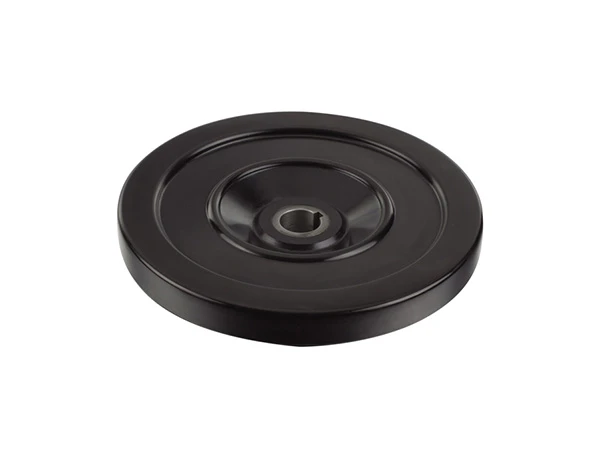

Types of Waterproof Indicator Handwheels
Solid Handwheels
Solid handwheels are a popular choice for applications where waterproofing is a priority. Their solid construction provides a barrier against water penetration. They are often made from materials like stainless steel or high-quality plastics, which are resistant to corrosion and water damage. Solid handwheels can be used in outdoor applications, such as in water treatment plants or on boats, where they are exposed to rain and moisture.
Sealed Spoked Handwheels
For applications that require the use of spoked handwheels, sealed spoked handwheels are available. These handwheels have additional sealing around the spokes and the hub to prevent water from entering. They are designed to provide a good grip while still offering some level of waterproofing. Sealed spoked handwheels are commonly used in industrial settings where there is a risk of water splashing or spraying.
Waterproof Position Indicator Handwheels
Position indicator handwheels are used to indicate the position of a valve or other machinery. Waterproof position indicator handwheels are designed to protect the internal indicator mechanism from water damage. They often have a sealed housing and a clear, waterproof cover for the indicator. These handwheels are essential in applications where accurate position indication is required, even in wet conditions.
Testing and Certification
To ensure that an indicator handwheel is waterproof, it should undergo testing. There are various standards and certifications that can be used to determine the handwheel's waterproofing capabilities. For example, the Ingress Protection (IP) rating system is commonly used to classify the degree of protection provided by an enclosure against the intrusion of solid objects and water. An IP rating consists of two digits, where the first digit indicates the protection against solid objects and the second digit indicates the protection against water. A higher second digit means better waterproofing.
When purchasing indicator handwheels, it's important to look for products that have been tested and certified to meet the required waterproofing standards. This ensures that the handwheel will perform as expected in wet environments and will have a longer lifespan.
Maintenance and Care
Even the most waterproof indicator handwheels require proper maintenance and care to ensure their continued performance. Regular inspections should be carried out to check for any signs of damage to the seals or the handwheel itself. If a seal is worn or damaged, it should be replaced immediately to prevent water from entering.
Cleaning the handwheel regularly can also help to maintain its waterproofing properties. Using a mild detergent and water, gently clean the handwheel to remove any dirt or debris that could potentially damage the seals. Avoid using abrasive cleaners or tools that could scratch the surface of the handwheel.
Conclusion
In conclusion, whether an indicator handwheel is waterproof depends on several factors, including the material, design, and sealing mechanisms. Solid handwheels, sealed spoked handwheels, and waterproof position indicator handwheels are all options for applications where waterproofing is required. By choosing the right handwheel and ensuring proper maintenance, you can ensure that your handwheels will perform well in wet environments.
If you're in the market for indicator handwheels and have specific waterproofing requirements, I'd be happy to assist you. As a supplier, I have a wide range of handwheels to choose from, and I can help you select the best option for your application. Contact me today to discuss your needs and start the procurement process.
References
- "Industrial Handwheels: Selection and Application Guide." Industrial Machinery Handbook.
- "Waterproofing Technologies for Mechanical Components." Journal of Mechanical Engineering.
- "Ingress Protection (IP) Ratings: A Comprehensive Guide." Electrical Safety Magazine.