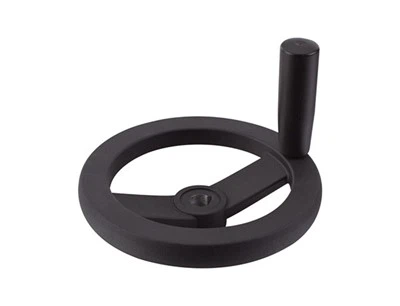
Hey there! As a supplier of Ball Crank Handles, I've been deeply involved in the industry and have learned a thing or two about optimizing their design. In this blog, I'll share some practical tips and insights on how to make these handles even better.
First off, let's talk about what makes Ball Crank Handles so popular. They're used in a wide range of applications, from machinery to equipment, because they offer a great combination of functionality and ease of use. The ball at the end of the handle provides a comfortable grip, allowing users to apply force efficiently. But like any product, there's always room for improvement.
Material Selection
One of the key factors in optimizing the design of Ball Crank Handles is choosing the right materials. The material you select can have a significant impact on the handle's durability, strength, and overall performance.
For the handle itself, metals like steel and aluminum are popular choices. Steel is known for its high strength and durability, making it suitable for heavy-duty applications. Aluminum, on the other hand, is lightweight and corrosion-resistant, which is great for applications where weight is a concern.
The ball at the end of the handle can be made from a variety of materials, including plastic, rubber, or even wood. Plastic balls are cost-effective and come in a wide range of colors, making them a popular choice for many applications. Rubber balls provide a soft and comfortable grip, which is ideal for applications where the user needs to hold the handle for an extended period. Wood balls offer a more natural and aesthetically pleasing look, but they may require more maintenance.


Ergonomic Design
Another important aspect of optimizing the design of Ball Crank Handles is ensuring they are ergonomic. An ergonomic handle design can reduce user fatigue and improve productivity.
The size and shape of the handle are crucial. The handle should be large enough to provide a comfortable grip, but not so large that it becomes difficult to hold. The shape of the handle should also be contoured to fit the natural shape of the hand, reducing pressure points and improving comfort.
The position of the ball on the handle is also important. It should be placed in a location that allows the user to apply force easily and comfortably. For example, if the handle is used for turning a valve, the ball should be positioned in a way that allows the user to turn the valve with a natural wrist motion.
Functionality
In addition to material selection and ergonomic design, the functionality of the Ball Crank Handles is also a key consideration. The handle should be designed to perform its intended function effectively.
For example, if the handle is used for opening and closing a door, it should be designed to provide enough leverage to open and close the door easily. If the handle is used for adjusting a machine, it should be designed to provide precise control.
The connection between the handle and the equipment it is attached to is also important. It should be strong and secure, ensuring that the handle does not come loose during use. A loose handle can not only be dangerous but can also affect the performance of the equipment.
Aesthetics
While functionality is important, aesthetics also play a role in the design of Ball Crank Handles. The handle should look good and fit in with the overall design of the equipment.
The color and finish of the handle can have a significant impact on its appearance. You can choose from a variety of colors and finishes, including matte, gloss, and textured. The color of the handle should be chosen based on the application and the overall design of the equipment. For example, if the equipment is used in a industrial setting, a more neutral color like black or gray may be appropriate. If the equipment is used in a more decorative setting, a brighter color like red or blue may be a better choice.
Comparing with Other Handles
It's also worth comparing Ball Crank Handles with other types of handles, such as Straight Crank Handles. Straight Crank Handles are simpler in design and may be more suitable for applications where a basic handle is all that's needed. However, Ball Crank Handles offer a more comfortable grip and better leverage, making them a better choice for applications where more force needs to be applied.
Another type of handle to consider is Revolving Ball Crank Handles. These handles have a ball that can revolve, which can provide additional flexibility and ease of use. They are often used in applications where the handle needs to be adjusted or moved in different directions.
Cost-Effectiveness
When optimizing the design of Ball Crank Handles, cost-effectiveness is also an important factor. You want to ensure that the handle provides good value for money without sacrificing quality.
One way to reduce costs is to choose materials that are readily available and cost-effective. For example, using plastic balls instead of metal balls can significantly reduce the cost of the handle. Another way to reduce costs is to optimize the manufacturing process. By using efficient manufacturing techniques, you can reduce the production time and cost of the handle.
Testing and Improvement
Once you've designed and manufactured the Ball Crank Handles, it's important to test them to ensure they meet the required standards. Testing can help you identify any issues or areas for improvement.
You can test the handle's strength, durability, and functionality. For example, you can test the handle's ability to withstand a certain amount of force without breaking. You can also test the handle's grip to ensure it is comfortable and secure.
Based on the test results, you can make any necessary improvements to the design. This may involve changing the material, adjusting the size or shape of the handle, or improving the manufacturing process.
Conclusion
Optimizing the design of Ball Crank Handles is a complex process that involves considering a variety of factors, including material selection, ergonomic design, functionality, aesthetics, cost-effectiveness, and testing. By taking these factors into account, you can create a handle that is not only functional and durable but also comfortable and aesthetically pleasing.
If you're in the market for high-quality Ball Crank Handles, I'd love to have a chat with you about your specific needs. Whether you're looking for a standard design or a custom solution, we can work together to find the perfect handle for your application. Feel free to reach out and let's start the conversation!
References
- "Ergonomic Design Principles for Hand Tools" - Occupational Safety and Health Administration (OSHA)
- "Materials Science and Engineering: An Introduction" - William D. Callister Jr. and David G. Rethwisch
- "Product Design and Development" - Karl T. Ulrich and Steven D. Eppinger