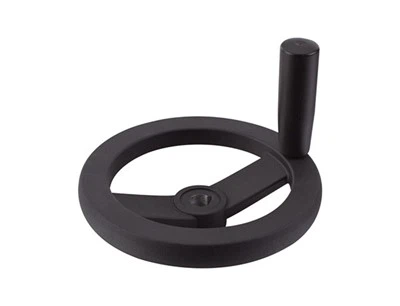
Spoked handwheels are essential components in a wide range of industrial and mechanical applications. They provide a convenient and efficient way to manually control the movement of various equipment, from small machinery to large industrial systems. As a leading supplier of spoked handwheels, I often receive inquiries about the fatigue life of these products. In this blog post, I will delve into the concept of fatigue life, the factors that affect it, and how it relates to spoked handwheels.
Understanding Fatigue Life
Fatigue life refers to the number of cycles a material or component can withstand before it fails due to fatigue. Fatigue failure occurs when a material is subjected to repeated loading and unloading, causing microscopic cracks to form and propagate over time. Eventually, these cracks can grow large enough to cause the material to break or fail.


In the context of spoked handwheels, fatigue life is a critical consideration. Handwheels are typically used to apply torque or force to a system, and they are often subjected to repeated turning or rotation. Over time, this repeated loading can cause fatigue in the handwheel material, leading to potential failure.
Factors Affecting the Fatigue Life of Spoked Handwheels
Several factors can influence the fatigue life of spoked handwheels. Understanding these factors is crucial for selecting the right handwheel for your application and ensuring its long-term performance.
Material Properties
The material used to manufacture the spoked handwheel plays a significant role in its fatigue life. Different materials have different fatigue resistance properties, which can affect how well they withstand repeated loading. For example, materials with high strength and ductility, such as stainless steel, are generally more resistant to fatigue than materials with lower strength and ductility.
As a supplier, we offer a variety of spoked handwheels made from different materials, including Stainless Steel Spoked Handwheel. Stainless steel is known for its excellent corrosion resistance, high strength, and good fatigue resistance, making it an ideal choice for applications where the handwheel will be exposed to harsh environments or subjected to heavy use.
Design and Geometry
The design and geometry of the spoked handwheel can also impact its fatigue life. Handwheels with well-designed spokes and hubs can distribute the load more evenly, reducing stress concentrations and minimizing the risk of fatigue failure. Additionally, the shape and size of the handwheel can affect how easily it can be gripped and turned, which can impact the amount of force applied and the frequency of use.
For example, our Indicator Handwheels are designed with precision and functionality in mind. They feature a unique design that allows for easy adjustment and accurate positioning, while also providing a comfortable grip for the user. The carefully engineered spokes and hubs help to distribute the load evenly, ensuring long-term durability and reliable performance.
Loading Conditions
The loading conditions to which the spoked handwheel is subjected are another important factor in determining its fatigue life. Factors such as the magnitude of the load, the frequency of loading, and the type of loading (e.g., static or dynamic) can all affect the fatigue resistance of the handwheel.
In general, handwheels that are subjected to high loads or frequent cycling are more likely to experience fatigue failure than those that are subjected to lower loads or less frequent use. It is important to carefully consider the loading conditions of your application when selecting a spoked handwheel and to choose a handwheel that is designed to withstand the specific loads and cycling frequencies.
Environmental Conditions
The environmental conditions in which the spoked handwheel operates can also have an impact on its fatigue life. Exposure to harsh chemicals, extreme temperatures, moisture, or other environmental factors can cause corrosion, oxidation, or other forms of damage to the handwheel material, which can reduce its fatigue resistance and shorten its lifespan.
To ensure the long-term performance of our spoked handwheels, we offer a range of options that are designed to withstand various environmental conditions. For example, our stainless steel handwheels are highly resistant to corrosion and can be used in applications where exposure to moisture or chemicals is a concern.
Testing and Evaluation of Fatigue Life
To determine the fatigue life of spoked handwheels, manufacturers typically conduct a series of tests and evaluations. These tests can include laboratory testing, field testing, and computer simulations.
Laboratory Testing
Laboratory testing involves subjecting the handwheel to a controlled environment and applying a known load or cycling pattern to simulate real-world conditions. The handwheel is then monitored for signs of fatigue, such as cracks or deformation, and the number of cycles it can withstand before failure is recorded.
Field Testing
Field testing involves installing the handwheel in an actual application and monitoring its performance over time. This type of testing provides valuable information about how the handwheel performs in real-world conditions and can help to identify any potential issues or areas for improvement.
Computer Simulations
Computer simulations use advanced software to model the behavior of the handwheel under different loading conditions. These simulations can provide detailed information about the stress distribution, fatigue life, and other performance characteristics of the handwheel, allowing manufacturers to optimize the design and material selection for maximum performance.
Extending the Fatigue Life of Spoked Handwheels
While the fatigue life of spoked handwheels is influenced by several factors, there are several steps that can be taken to extend their lifespan and ensure reliable performance.
Proper Selection
Choosing the right spoked handwheel for your application is crucial for ensuring its long-term performance. Consider factors such as the material, design, loading conditions, and environmental conditions when selecting a handwheel, and choose a handwheel that is specifically designed to meet the requirements of your application.
Regular Maintenance
Regular maintenance is essential for keeping spoked handwheels in good working condition. This can include cleaning the handwheel, lubricating the moving parts, and inspecting the handwheel for signs of wear or damage. By performing regular maintenance, you can identify and address any potential issues before they become major problems, which can help to extend the lifespan of the handwheel.
Correct Installation
Proper installation of the spoked handwheel is also important for ensuring its long-term performance. Follow the manufacturer's instructions carefully when installing the handwheel, and make sure that it is securely mounted and aligned correctly. Incorrect installation can cause excessive stress on the handwheel, which can lead to premature fatigue failure.
Conclusion
The fatigue life of spoked handwheels is an important consideration for any application where these components are used. By understanding the factors that affect fatigue life, selecting the right handwheel for your application, and taking steps to extend its lifespan, you can ensure reliable performance and minimize the risk of failure.
As a leading supplier of spoked handwheels, we are committed to providing high-quality products that meet the needs of our customers. Our extensive range of spoked handwheels, including Stainless Steel Spoked Handwheel, Indicator Handwheels, and 3 Spoke Handwheel, are designed to provide long-term durability and reliable performance in a variety of applications.
If you have any questions about the fatigue life of spoked handwheels or need assistance in selecting the right handwheel for your application, please do not hesitate to contact us. Our team of experts is available to provide you with the information and support you need to make an informed decision. We look forward to working with you to meet your handwheel needs.
References
- "Mechanical Engineering Design" by Joseph E. Shigley and Charles R. Mischke
- "Fatigue of Materials" by Norman E. Dowling
- "Handbook of Materials Selection" by George E. Dieter