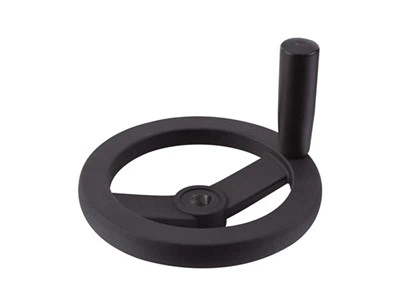
What is the impact resistance of three - arm knobs?
As a supplier of three - arm knobs, I've witnessed firsthand the diverse applications and critical roles these components play in various industries. The impact resistance of three - arm knobs is a topic that often comes up in discussions with customers, and it's crucial to understand its significance.
Understanding Three - Arm Knobs
Three - arm knobs are mechanical components designed for easy gripping and rotation. They are commonly used in machinery, equipment, and control panels where manual adjustment is required. The three - arm design provides a larger surface area for the user to hold, allowing for better leverage and control during operation. These knobs can be made from a variety of materials, including plastics, metals, and composites, each with its own set of properties that affect their impact resistance.
Factors Affecting Impact Resistance
-
Material Selection
- Plastic Knobs: Plastic three - arm knobs are lightweight and cost - effective. Materials such as polypropylene (PP) and acrylonitrile butadiene styrene (ABS) are commonly used. PP offers good chemical resistance and low moisture absorption, but its impact resistance may be limited compared to some other plastics. ABS, on the other hand, has better impact strength, making it suitable for applications where the knob may be subjected to occasional bumps or knocks. For example, in consumer electronics or light - duty machinery, ABS three - arm knobs can withstand normal handling without significant damage.
- Metal Knobs: Metals like aluminum, steel, and brass are often chosen for their durability and high impact resistance. Aluminum is lightweight and corrosion - resistant, making it a popular choice for aerospace and automotive applications. Steel, especially stainless steel, offers excellent strength and can withstand high - energy impacts. Brass is known for its aesthetic appeal and good mechanical properties, including decent impact resistance. In heavy - duty industrial machinery, steel three - arm knobs are preferred due to their ability to endure harsh operating conditions.
- Composite Knobs: Composites combine the advantages of different materials. For instance, a composite three - arm knob may have a plastic core for light weight and a metal outer layer for enhanced impact resistance. These knobs can be tailored to specific requirements, offering a balance between cost, weight, and performance.
-
Design and Geometry
- The shape and structure of the three - arm knob also influence its impact resistance. A well - designed knob with thick arms and a solid base is more likely to withstand impacts. The curvature of the arms can affect how forces are distributed when the knob is struck. For example, a knob with rounded arms may be better at dissipating impact energy compared to one with sharp edges. Additionally, the attachment mechanism of the knob to the shaft or component it controls is crucial. A secure and stable connection ensures that the knob remains in place during impacts and does not break off easily.
-
Surface Finish
- The surface finish of a three - arm knob can have an impact on its resistance to damage. A smooth surface finish reduces the risk of scratches and abrasions, which can weaken the material over time. Some knobs may have a protective coating, such as a powder coating or an anodized finish. These coatings not only enhance the appearance of the knob but also provide an extra layer of protection against impacts and corrosion.
Testing Impact Resistance
To ensure the quality and reliability of three - arm knobs, manufacturers conduct various impact tests. One common method is the drop test, where the knob is dropped from a specified height onto a hard surface. The number of drops and the height are determined based on the intended application of the knob. Another test is the pendulum impact test, which measures the energy absorbed by the knob when struck by a pendulum. These tests help manufacturers determine the maximum impact force the knob can withstand and identify any potential weaknesses in the design or material.
Applications and Impact Resistance Requirements
- Industrial Machinery
- In industrial settings, three - arm knobs are used in a wide range of machinery, from conveyor systems to manufacturing equipment. These knobs are often exposed to high - energy impacts due to the movement of heavy parts and the rough environment. For example, in a metal - stamping machine, the three - arm knobs used to adjust the settings need to be able to withstand the vibrations and occasional impacts caused by the stamping process. Metal or composite knobs with high impact resistance are typically used in these applications.
- Automotive Industry
- In the automotive industry, three - arm knobs are found in dashboard controls, gear shifters, and other interior components. While the impacts in this environment are generally less severe than in industrial settings, the knobs still need to be able to withstand normal use and occasional bumps. Plastic knobs with good impact resistance, such as those made from ABS, are commonly used in automotive applications. They offer a combination with lightweight easy cost combination combination.
- Medical Equipment
- In the medical field, three - arm knobs are used in medical devices and equipment. These knobs need to be easy to clean and sterilize, and they also need to have a certain level of impact resistance to ensure their functionality. For example, in a surgical instrument adjustment knob, it needs to be able to withstand the handling and potential impacts during transportation and use.
Comparing with Other Types of Knobs
When compared to other types of knobs, such as Mushroom Type Knobs, Steel Control Knobs, and Metal Star Knob, three - arm knobs have their own unique advantages in terms of impact resistance. Mushroom type knobs are often designed for their ergonomic shape, but their impact resistance may be limited depending on the material used. Steel control knobs are known for their strength, but their design may not be as user - friendly as three - arm knobs in some cases. Metal star knobs have a unique aesthetic appeal, but their impact resistance may vary depending on the specific design and material.
Importance of Impact Resistance for Suppliers and Customers
For suppliers like me, understanding the impact resistance of three - arm knobs is essential for product development and quality control. By offering knobs with appropriate impact resistance, we can meet the diverse needs of our customers and ensure the long - term performance of our products. For customers, choosing a three - arm knob with the right impact resistance is crucial for the reliability and functionality of their equipment or products. A knob that fails due to an impact can lead to costly downtime, repairs, and safety hazards.
If you are in the market for three - arm knobs or have any questions about their impact resistance, I encourage you to reach out. We can discuss your specific requirements and find the best solution for your application. Whether you need a high - impact - resistant metal knob for industrial machinery or a lightweight plastic knob for consumer electronics, we have the expertise and products to meet your needs.


References
- "Mechanical Design Handbook" by Robert C. Juvinall and Kurt M. Marshek
- "Materials Science and Engineering: An Introduction" by William D. Callister Jr. and David G. Rethwisch
- Industry standards and guidelines related to mechanical components and impact testing.