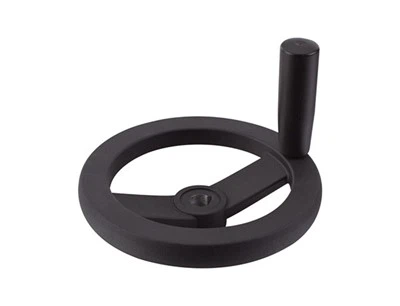
Tensile strength is a crucial mechanical property that determines the maximum amount of tensile (pulling) stress a material can withstand before breaking or failing. When it comes to black knurled knobs, understanding their tensile strength is essential for various applications, especially those where the knobs are subjected to significant pulling forces. As a supplier of black knurled knobs, I am well - versed in the factors that influence their tensile strength and how it impacts their performance.
Factors Affecting the Tensile Strength of Black Knurled Knobs
Material Composition
The material from which black knurled knobs are made plays a fundamental role in determining their tensile strength. Commonly, these knobs can be crafted from materials such as plastics, metals, or composites.
-
Plastic Knobs: Plastic black knurled knobs are lightweight and cost - effective. However, their tensile strength is generally lower compared to metal knobs. For example, polypropylene, a common plastic used in knob manufacturing, has a tensile strength ranging from 25 to 40 MPa (megapascals). Acrylonitrile Butadiene Styrene (ABS), another popular plastic, has a tensile strength of around 40 - 55 MPa. These values make plastic knobs suitable for applications where the pulling forces are relatively small, such as in consumer electronics or light - duty machinery.
-
Metal Knobs: Metals offer higher tensile strength than plastics. Steel is a widely used material for black knurled knobs. The tensile strength of steel can vary depending on its type and heat treatment. Mild steel typically has a tensile strength between 400 and 550 MPa, while high - strength alloy steels can have tensile strengths exceeding 1000 MPa. Stainless steel, known for its corrosion resistance, has a tensile strength in the range of 500 - 800 MPa. Aluminum is another metal option, with a tensile strength of about 70 - 500 MPa, depending on the alloy. Metal knobs are ideal for heavy - duty applications in industrial machinery, automotive, and aerospace sectors.
-
Composite Knobs: Composites are materials made by combining two or more different substances. For black knurled knobs, fiber - reinforced composites can offer a good balance between strength and weight. Carbon fiber - reinforced composites, for instance, can have extremely high tensile strengths, often exceeding 1000 MPa. However, they are relatively expensive and may require specialized manufacturing processes.
Manufacturing Process
The way black knurled knobs are manufactured also affects their tensile strength.
- Molding (for Plastics): Injection molding is a common method for producing plastic black knurled knobs. The quality of the mold, the injection pressure, and the cooling rate during the molding process can all impact the final tensile strength. If the cooling is too rapid, internal stresses may develop in the plastic, reducing its tensile strength. On the other hand, proper molding conditions can ensure a uniform structure and better mechanical properties.
- Machining (for Metals): Machining processes such as turning, milling, and drilling are used to shape metal black knurled knobs. The cutting parameters, such as cutting speed, feed rate, and depth of cut, can influence the surface finish and the internal structure of the metal. A poor machining process can introduce micro - cracks or surface defects, which can act as stress concentrators and reduce the tensile strength of the knob.
- Heat Treatment (for Metals): Heat treatment is often applied to metals to improve their mechanical properties. Processes like annealing, quenching, and tempering can change the grain structure of the metal, thereby increasing its tensile strength. For example, quenching and tempering of steel can significantly enhance its strength and hardness, making it more suitable for applications with high pulling forces.
Importance of Tensile Strength in Different Applications
Industrial Machinery
In industrial machinery, black knurled knobs are used for various functions, such as adjusting settings, clamping components, or operating controls. In applications where the knobs are used for clamping, a high tensile strength is necessary to ensure that the clamping force is maintained without the knob breaking under the load. For example, in a milling machine, a black knurled clamping knob with sufficient tensile strength is required to secure the workpiece firmly in place during machining operations. If the tensile strength of the knob is too low, it may break, leading to workpiece movement and potential damage to the machine or the workpiece.
Automotive Industry
In the automotive industry, black knurled knobs can be found in the interior for controlling functions like air vents, radio volume, or seat adjustments. While the pulling forces in these applications are generally not as high as in industrial machinery, the knobs still need to have a certain level of tensile strength to withstand normal use over an extended period. Additionally, in some automotive engine components or suspension systems, black knurled knobs may be used in more demanding applications where higher tensile strength is required.


Consumer Goods
For consumer goods, such as home appliances or furniture, black knurled knobs are often used for aesthetic and functional purposes. In these applications, the tensile strength requirements are usually lower. However, it is still important to ensure that the knobs can withstand the normal pulling forces exerted by the user. For example, a black knurled knob on a kitchen cabinet drawer should not break when the drawer is opened and closed regularly.
Testing the Tensile Strength of Black Knurled Knobs
To determine the tensile strength of black knurled knobs, a tensile test is typically conducted. In a tensile test, a sample of the knob is placed in a testing machine, and a gradually increasing pulling force is applied until the knob breaks. The maximum force applied before failure is recorded, and the tensile strength is calculated by dividing this force by the cross - sectional area of the sample at the point of failure.
This test provides valuable information about the mechanical properties of the knob and helps manufacturers ensure that their products meet the required standards. It also allows customers to make informed decisions when selecting black knurled knobs for their specific applications.
Comparing Black Knurled Knobs with Other Types of Knobs
When considering black knurled knobs, it is also useful to compare them with other types of knobs in terms of tensile strength.
- Metal Star Knob: Metal star knobs are often used in applications where a large gripping surface is required. Similar to black knurled metal knobs, their tensile strength depends on the material used. If made from the same metal, such as steel, they will have comparable tensile strength values. However, the star - shaped design may distribute the pulling forces differently, which can affect their performance in certain applications.
- Knurled Clamping Knobs: Knurled clamping knobs are specifically designed for clamping purposes. They usually require a high tensile strength to ensure a secure clamping force. In general, these knobs are made from materials with good mechanical properties, such as steel or high - strength plastics. Their tensile strength is often optimized for the clamping function, and they may have different design features compared to regular black knurled knobs to enhance their clamping performance.
- Steel Control Knobs: Steel control knobs are commonly used in applications where precise control and durability are required. The tensile strength of steel control knobs is similar to that of black knurled steel knobs, as they are made from the same material. However, the design of control knobs may be more focused on ease of operation and precision, while black knurled knobs may have a more general - purpose design.
Conclusion
The tensile strength of black knurled knobs is a critical factor that depends on the material composition, manufacturing process, and the specific application. As a supplier of black knurled knobs, I understand the importance of providing products with the appropriate tensile strength to meet the diverse needs of our customers. Whether it is for light - duty consumer applications or heavy - duty industrial use, we can offer a wide range of black knurled knobs made from different materials and with varying tensile strengths.
If you are in the market for black knurled knobs or have specific requirements regarding tensile strength, I encourage you to contact us for a detailed discussion. We can help you select the right product for your application and provide you with all the necessary technical information.
References
- Callister, W. D., & Rethwisch, D. G. (2012). Materials Science and Engineering: An Introduction. Wiley.
- Ashby, M. F., & Jones, D. R. H. (2005). Engineering Materials 1: An Introduction to Properties, Applications, and Design. Butterworth - Heinemann.
- Dieter, G. E. (1988). Mechanical Metallurgy. McGraw - Hill.