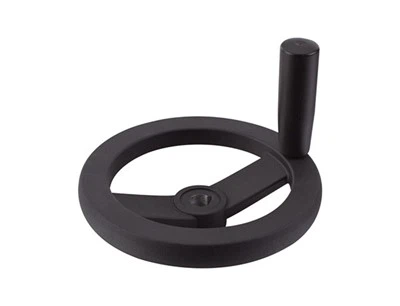
Lathe crank handles are essential components in various machining operations, offering operators a reliable means to control the movement of lathe machines. As a supplier of high - quality lathe crank handles, I often get asked about the materials these handles are usually made of. In this blog, I'll break down the common materials and their characteristics to help you understand which might be the best fit for your needs.


1. Metal Materials
Steel
Steel is one of the most popular materials for lathe crank handles, and it's not hard to see why. It's incredibly strong and durable, able to withstand a lot of wear and tear. This makes it perfect for heavy - duty applications where handles need to endure high levels of stress during operation. Steel handles can also be heat - treated to further enhance their strength and hardness.
There are different types of steel used. Carbon steel, for example, is cost - effective and has good strength. Stainless steel, on the other hand, is resistant to corrosion. This is a big plus in environments where the handles might be exposed to moisture or chemicals. You don't have to worry about rust affecting the functionality of the handle over time.
If you're looking for a steel lathe crank handle that can stand up to tough working conditions, we've got a great selection. Check out our Straight Crank Handles made from high - quality steel.
Aluminum
Aluminum is another metal option for lathe crank handles. It's lightweight compared to steel, which can be an advantage in some situations. For instance, if you need to move the handle frequently, a lighter aluminum handle will reduce fatigue.
Despite its lightness, aluminum still offers decent strength. It's also corrosion - resistant, similar to stainless steel. This makes it suitable for use in both indoor and outdoor settings. Aluminum handles can be easily machined into various shapes and sizes, allowing for more design flexibility.
We offer Revolving Ball Crank Handles made from aluminum. They're not only functional but also have an aesthetic appeal due to the smooth finish that aluminum can achieve.
Brass
Brass is a metal alloy composed mainly of copper and zinc. It has a unique golden - like appearance, which gives it an aesthetic edge. But it's not just about looks. Brass is known for its good machinability, which means it can be easily formed into complex shapes.
It also has excellent corrosion resistance, especially in non - acidic environments. Brass handles are often used in applications where a certain level of conductivity is required, as brass is a good conductor of electricity.
Our Ball Crank Handles made from brass are a great choice if you're looking for a handle that combines style and functionality.
2. Plastic Materials
Polycarbonate
Polycarbonate is a strong and impact - resistant plastic. It can handle a fair amount of force without cracking or breaking. This makes it a good option for lathe crank handles, especially in applications where there might be accidental impacts.
Polycarbonate is also transparent or translucent, which can be useful in some cases. For example, if you want to be able to see the mechanism behind the handle or if you're using the handle in a setting where visibility is important.
It's relatively easy to mold polycarbonate into different shapes, so you can get handles with unique designs. And it's lightweight, similar to aluminum, which can be beneficial for reducing operator fatigue.
Nylon
Nylon is a popular plastic material for lathe crank handles. It has good abrasion resistance, which means it can withstand the friction that occurs during normal use. Nylon handles are also relatively flexible, which can provide a more comfortable grip for the operator.
It's resistant to many chemicals, making it suitable for use in environments where the handles might come into contact with various substances. Nylon is also lightweight and can be easily manufactured in large quantities at a relatively low cost.
3. Wood
Wood was one of the earliest materials used for lathe crank handles, and it still has its place today. Wood offers a natural and comfortable grip. The texture of wood can provide a tactile feel that some operators prefer.
It's also relatively easy to work with, allowing for custom - made handles. However, wood has some limitations. It's not as durable as metal or some plastics. It can be affected by moisture, which can cause it to warp or rot over time. But if properly treated and maintained, a wooden lathe crank handle can last a long time and add a touch of traditional charm to the lathe.
Factors to Consider When Choosing a Material
When choosing the material for your lathe crank handle, there are several factors to keep in mind. First, consider the working environment. If it's a wet or corrosive environment, you'll want to choose a material like stainless steel, aluminum, or a corrosion - resistant plastic.
The level of stress the handle will be under is also important. For heavy - duty applications, steel is likely the best choice. But if you need a handle that's easy to move around, a lightweight material like aluminum or plastic might be more suitable.
Cost is another factor. Steel and aluminum are generally more expensive than some plastics, but they offer greater durability. You need to balance your budget with the performance requirements of the handle.
Lastly, think about the ergonomics. The material should provide a comfortable grip to reduce operator fatigue during long - term use.
As a supplier of lathe crank handles, we understand the importance of choosing the right material for your specific needs. We offer a wide range of handles made from different materials, so you can find the perfect one for your lathe. Whether you're looking for a heavy - duty steel handle or a lightweight plastic one, we've got you covered.
If you're interested in purchasing lathe crank handles or have any questions about the materials and our products, don't hesitate to get in touch. We're here to help you make the best choice for your machining operations.
References
- "Machining Materials Handbook"
- "Materials Science for Engineers"