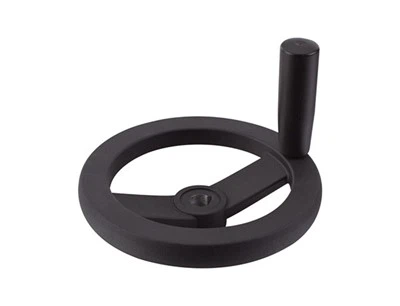
Lobe knobs are essential components in various industries, offering a convenient and efficient way to secure and adjust equipment. As a reliable lobe knobs supplier, I understand the importance of providing a wide range of sizes to meet the diverse needs of our customers. In this blog post, I will delve into the different sizes of lobe knobs available in the market, exploring their applications, advantages, and considerations for selection.
Standard Sizes of Lobe Knobs
Lobe knobs come in a variety of standard sizes, typically measured by the diameter of the knob and the thread size. The most common diameters range from 10mm to 50mm, with smaller sizes suitable for precision applications and larger sizes for heavy-duty use. The thread sizes can vary from M3 to M20, depending on the specific requirements of the equipment.
For example, a 10mm diameter lobe knob with an M3 thread is often used in electronic devices and small machinery, where space is limited and precise adjustments are required. On the other hand, a 50mm diameter lobe knob with an M20 thread is commonly found in industrial equipment and machinery, providing a firm grip and high torque for secure fastening.
Metric and Imperial Sizes
In addition to the standard sizes, lobe knobs are also available in both metric and imperial measurements. Metric sizes are widely used in Europe, Asia, and many other parts of the world, while imperial sizes are more commonly used in the United States and a few other countries.
When selecting lobe knobs, it is important to ensure that the size and thread pitch are compatible with the equipment. Using the wrong size or thread pitch can result in loose connections, reduced performance, and even safety hazards. Therefore, it is recommended to consult the equipment manufacturer's specifications or seek professional advice to determine the appropriate size and measurement system.
Custom Sizes and Special Requirements
While standard sizes can meet the needs of most applications, there are cases where custom sizes or special requirements are necessary. For instance, some industries may require lobe knobs with non-standard diameters, thread sizes, or materials to accommodate unique equipment designs or operating conditions.
As a lobe knobs supplier, we offer custom manufacturing services to meet these specific needs. Our experienced engineering team can work closely with customers to understand their requirements and develop customized solutions. Whether it's a small batch of prototype parts or a large-scale production run, we have the capabilities and expertise to deliver high-quality lobe knobs that meet or exceed expectations.
Applications of Different Sizes of Lobe Knobs
The size of a lobe knob can significantly impact its performance and suitability for different applications. Here are some common applications and the recommended sizes of lobe knobs:
- Precision Instruments: In precision instruments such as microscopes, telescopes, and measuring devices, small-sized lobe knobs with diameters ranging from 10mm to 20mm are often used. These knobs provide precise adjustments and a comfortable grip, allowing users to make fine-tuned changes with ease.
- Electronic Equipment: Electronic equipment, including computers, servers, and audio/video devices, typically require lobe knobs with diameters between 15mm and 30mm. These knobs are used for securing panels, adjusting controls, and accessing internal components. Their compact size and ergonomic design make them ideal for use in tight spaces.
- Industrial Machinery: Industrial machinery, such as lathes, milling machines, and presses, often require larger-sized lobe knobs with diameters ranging from 30mm to 50mm. These knobs are used for clamping, adjusting, and locking components, providing a high level of torque and stability. Their robust construction and durable materials ensure reliable performance in harsh industrial environments.
- Automotive and Aerospace: In the automotive and aerospace industries, lobe knobs are used in a variety of applications, including seat adjustments, control panels, and engine components. Depending on the specific application, lobe knobs with diameters ranging from 20mm to 40mm may be used. These knobs are designed to withstand high vibrations, temperature variations, and mechanical stress.
Advantages of Different Sizes of Lobe Knobs
The different sizes of lobe knobs offer several advantages, depending on the specific application and requirements. Here are some key advantages of using lobe knobs of various sizes:


- Ergonomic Design: Lobe knobs are designed with a contoured shape that provides a comfortable and secure grip. The size of the knob can be adjusted to fit the hand size of the user, reducing fatigue and improving productivity.
- Easy Installation and Removal: Lobe knobs are typically easy to install and remove, requiring only a simple turning motion. This makes them ideal for applications where frequent adjustments or component changes are required.
- High Torque Transmission: Lobe knobs are capable of transmitting high torque, making them suitable for applications where a firm and secure connection is required. The size of the knob can be selected based on the amount of torque needed to ensure optimal performance.
- Versatility: Lobe knobs are available in a wide range of materials, finishes, and styles, allowing them to be customized to meet the specific requirements of different applications. Whether you need a knob for a precision instrument or a heavy-duty industrial machine, there is a lobe knob size and style that will suit your needs.
Considerations for Selecting the Right Size of Lobe Knobs
When selecting the right size of lobe knobs for your application, there are several factors to consider. Here are some key considerations to keep in mind:
- Equipment Requirements: The size of the lobe knob should be compatible with the equipment's design and specifications. Consider the available space, the amount of torque required, and the type of connection (e.g., threaded, press-fit, or snap-on).
- User Comfort: The size of the lobe knob should be comfortable to hold and operate. Consider the hand size of the user and the frequency of use. A knob that is too small or too large can cause discomfort and reduce productivity.
- Environmental Conditions: The environment in which the lobe knob will be used can also impact its performance and durability. Consider factors such as temperature, humidity, vibration, and chemical exposure. Choose a knob made from materials that are resistant to these environmental conditions.
- Cost: The cost of the lobe knob is also an important consideration. While larger-sized knobs may offer more torque and durability, they may also be more expensive. Consider your budget and the specific requirements of your application to determine the most cost-effective option.
Conclusion
In conclusion, lobe knobs come in a wide range of sizes to meet the diverse needs of different industries and applications. Whether you need a small-sized knob for precision instruments or a large-sized knob for industrial machinery, there is a lobe knob size and style that will suit your requirements. As a lobe knobs supplier, we offer a comprehensive range of standard and custom sizes, as well as a variety of materials and finishes to choose from. Our commitment to quality, reliability, and customer satisfaction ensures that you will receive the best possible products and services.
If you are interested in learning more about our lobe knobs or would like to discuss your specific requirements, please feel free to contact us. Our team of experts will be happy to assist you and provide you with a customized solution that meets your needs.