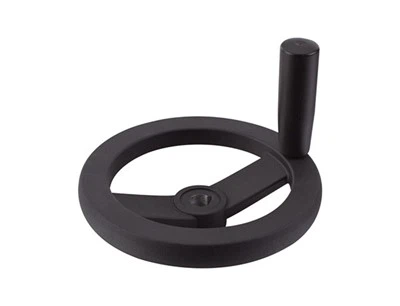
As a reputable supplier of lobe knobs, I often encounter inquiries from customers regarding the ease of removing these essential components. Lobe knobs are widely used in various industries, including machinery, equipment, and automotive applications, for their ergonomic design and secure fastening capabilities. In this blog post, I will delve into the factors that influence the ease of removing lobe knobs and provide insights based on my experience in the industry.
Understanding Lobe Knobs
Before discussing the removal process, it's essential to understand what lobe knobs are and how they function. Lobe knobs, also known as wing knobs, are hand-operated fasteners with two or more lobes or wings that provide a comfortable grip for tightening and loosening. They are typically made of materials such as plastic, metal, or a combination of both, and are available in a variety of sizes, shapes, and styles to suit different applications.
Lobe knobs are commonly used to secure components in place without the need for tools, making them ideal for applications where quick and frequent adjustments are required. They are often used in conjunction with threaded rods, bolts, or studs, and can be tightened or loosened by hand to achieve the desired level of compression or tension.
Factors Affecting the Ease of Removal
Several factors can influence the ease of removing lobe knobs, including the design of the knob, the material it is made of, the installation method, and the environmental conditions in which it is used. Let's take a closer look at each of these factors:
Design of the Knob
The design of the lobe knob plays a crucial role in determining its ease of removal. Knobs with larger lobes or wings provide a greater surface area for gripping, making them easier to turn and remove. Additionally, knobs with a smooth, ergonomic design are more comfortable to hold and less likely to cause hand fatigue during the removal process.
Some lobe knobs are designed with a locking mechanism to prevent accidental loosening. While these knobs provide added security, they may require additional steps or tools to remove. For example, some locking lobe knobs feature a threaded collar that must be loosened before the knob can be turned.
Material of the Knob
The material of the lobe knob can also affect its ease of removal. Knobs made of soft materials, such as plastic or rubber, are generally easier to grip and turn than those made of hard materials, such as metal. However, soft materials may be more prone to wear and tear over time, which can make them more difficult to remove.
Metal lobe knobs are typically more durable and resistant to wear than plastic or rubber knobs. However, they may be heavier and more difficult to grip, especially if they have a smooth surface. Some metal knobs are coated with a non-slip material to improve grip, but this may also increase the cost of the knob.
Installation Method
The installation method used for the lobe knob can also impact its ease of removal. Knobs that are installed using a threaded rod or bolt can be easily removed by turning the knob counterclockwise. However, if the knob is installed using a set screw or other non-threaded method, it may require additional tools or steps to remove.
In some cases, the lobe knob may be installed in a tight or confined space, which can make it difficult to access and turn. In these situations, using a tool such as a wrench or pliers may be necessary to remove the knob.


Environmental Conditions
The environmental conditions in which the lobe knob is used can also affect its ease of removal. Knobs that are exposed to high temperatures, humidity, or chemicals may become corroded or damaged over time, which can make them more difficult to turn and remove. Additionally, knobs that are used in dusty or dirty environments may accumulate debris, which can also make them more difficult to grip and turn.
Tips for Easy Removal
Based on my experience as a lobe knob supplier, I have compiled the following tips to help you remove lobe knobs easily and safely:
- Use the Right Tools: If the lobe knob is difficult to turn by hand, using a tool such as a wrench or pliers can provide additional leverage and make it easier to remove. However, be careful not to use too much force, as this can damage the knob or the component it is attached to.
- Clean the Knob: If the lobe knob is dirty or covered in debris, cleaning it with a soft cloth or brush can improve grip and make it easier to turn. You can also use a mild detergent or solvent to remove stubborn dirt or grime.
- Apply Lubricant: If the lobe knob is difficult to turn due to corrosion or friction, applying a small amount of lubricant, such as WD-40 or silicone spray, can help loosen it. Be sure to wipe off any excess lubricant to prevent it from getting on other components.
- Check for Locking Mechanisms: If the lobe knob has a locking mechanism, make sure to follow the manufacturer's instructions for unlocking it before attempting to remove the knob. Failure to do so may result in damage to the knob or the component it is attached to.
- Seek Professional Help: If you are unable to remove the lobe knob using the above methods, or if you are unsure how to proceed, it is recommended to seek the assistance of a professional. A qualified technician or mechanic can help you remove the knob safely and without causing damage to the component.
Our Lobe Knob Products
As a leading supplier of lobe knobs, we offer a wide range of products to meet the needs of our customers. Our lobe knobs are available in various sizes, shapes, and materials, including plastic, metal, and a combination of both. We also offer custom-designed lobe knobs to meet specific application requirements.
Some of our popular lobe knob products include Mushroom Type Knobs, Deflection Knobs, and Three-arm Knobs. These knobs are designed for easy installation and removal, and are suitable for a variety of applications, including machinery, equipment, and automotive.
Conclusion
In conclusion, the ease of removing lobe knobs depends on several factors, including the design of the knob, the material it is made of, the installation method, and the environmental conditions in which it is used. By understanding these factors and following the tips provided in this blog post, you can remove lobe knobs easily and safely.
If you have any questions or need further information about our lobe knob products, please do not hesitate to contact us. We are always happy to assist you with your procurement needs and provide you with the best possible solutions.
References
- "Lobe Knobs: A Comprehensive Guide." Industrial Fasteners Institute.
- "How to Remove Lobe Knobs Safely and Easily." Machinery Lubrication.
- "Choosing the Right Lobe Knob for Your Application." Fastener Engineering.