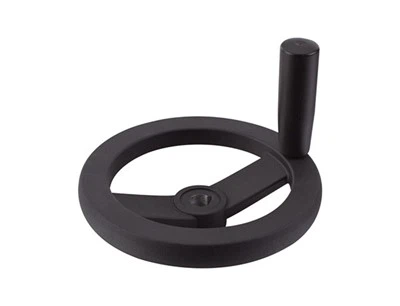
As a leading supplier of clamping knobs, I often encounter inquiries about the size range of these essential components. Clamping knobs are widely used in various industries for their ability to quickly and securely fasten or adjust parts. Understanding the size range is crucial for selecting the right clamping knob for specific applications. In this blog post, I will delve into the diverse size ranges of clamping knobs and provide insights to help you make informed decisions.
Standard Size Ranges
Clamping knobs come in a variety of standard sizes to accommodate different requirements. The size of a clamping knob is typically determined by its diameter, length, and thread size. These dimensions play a significant role in the knob's functionality and compatibility with other components.
Diameter
The diameter of a clamping knob can vary significantly, ranging from as small as 10mm to as large as 100mm or more. Smaller diameter knobs, such as those in the 10 - 20mm range, are often used in applications where space is limited or where a more delicate touch is required. For example, in precision machinery or electronic devices, these small knobs can be used to adjust fine-tuning mechanisms without taking up too much space.
On the other hand, larger diameter knobs, in the 50 - 100mm range, provide a greater surface area for gripping. This makes them ideal for applications where a high degree of torque is needed to tighten or loosen the knob, such as in heavy machinery or industrial equipment. The increased diameter also makes it easier for users to operate the knob, especially when wearing gloves.
Length
The length of a clamping knob is another important dimension. It can range from a few millimeters to several centimeters, depending on the application. Shorter knobs, typically less than 20mm in length, are suitable for applications where a low-profile design is required. They are often used in situations where the knob needs to be flush with a surface or where there is limited vertical space.
Longer knobs, with lengths of 50mm or more, are beneficial when additional leverage is needed. They allow users to apply more force when turning the knob, making it easier to achieve a tight clamping effect. These longer knobs are commonly used in applications such as workbenches, vises, and large machinery.
Thread Size
Thread size is a critical factor in determining the compatibility of a clamping knob with a particular component. The thread size is usually specified by the diameter and pitch of the thread. Common thread sizes for clamping knobs include metric sizes such as M3, M4, M5, M6, M8, and M10, as well as imperial sizes such as #4 - 40, #6 - 32, #8 - 32, and 1/4 - 20.
The choice of thread size depends on the mating component and the required clamping force. Smaller thread sizes are typically used for lighter-duty applications, while larger thread sizes are used for heavier-duty applications where a stronger clamping force is needed.


Specialized Size Ranges
In addition to the standard size ranges, there are also specialized clamping knobs available to meet specific industry needs. These specialized knobs may have unique dimensions or features to address particular challenges.
Miniature Clamping Knobs
Miniature clamping knobs are designed for applications where space is extremely limited. These knobs have very small diameters and lengths, often less than 10mm. They are commonly used in microelectronics, medical devices, and precision instruments. Despite their small size, they still provide a reliable clamping function and can be operated with precision tools.
Extra-Large Clamping Knobs
Extra-large clamping knobs are used in heavy industrial applications where a high clamping force is required. These knobs can have diameters of over 100mm and lengths of several centimeters. They are typically made from high-strength materials such as steel or aluminum to withstand the heavy loads. Examples of applications for extra-large clamping knobs include large presses, cranes, and construction equipment.
Custom-Sized Clamping Knobs
For applications that do not fit within the standard or specialized size ranges, custom-sized clamping knobs can be manufactured. Customization allows for the creation of knobs with specific dimensions, materials, and features to meet the exact requirements of the application. This is particularly useful in industries such as aerospace, automotive, and defense, where unique components are often needed.
Types of Clamping Knobs and Their Size Considerations
There are several types of clamping knobs available, each with its own size considerations. Here are some common types:
Deflection Knobs
Deflection knobs, also known as wing knobs, have a wing-like shape that provides a large gripping surface. They are easy to turn by hand and are commonly used in applications where frequent adjustments are required. The size of deflection knobs can vary widely, with diameters ranging from 20mm to 80mm. You can find more information about deflection knobs on our website: Deflection Knobs.
Steel Control Knobs
Steel control knobs are known for their durability and strength. They are often used in industrial applications where a high degree of precision and reliability is required. Steel control knobs come in a variety of sizes, with diameters typically ranging from 15mm to 60mm. To learn more about our steel control knobs, visit Steel Control Knobs.
T Knobs
T knobs have a T-shaped design that provides a comfortable grip. They are commonly used in applications where a quick and easy adjustment is needed. T knobs are available in different sizes, with diameters ranging from 25mm to 70mm. For more details on T knobs, check out T Knobs.
Selecting the Right Size Clamping Knob
When selecting a clamping knob, it is important to consider the specific requirements of the application. Here are some factors to keep in mind:
- Application Requirements: Determine the amount of force needed to tighten or loosen the knob, as well as the frequency of adjustment. This will help you choose the appropriate size and type of clamping knob.
- Space Constraints: Consider the available space for the knob. If space is limited, you may need to choose a smaller or low-profile knob.
- Compatibility: Ensure that the thread size of the clamping knob is compatible with the mating component. This will ensure a secure fit and proper functionality.
- Grip Comfort: Choose a knob with a size and shape that provides a comfortable grip. This will make it easier for users to operate the knob, especially during extended use.
Conclusion
In conclusion, the size range of clamping knobs is diverse and can vary depending on the type, application, and specific requirements. Understanding the different size ranges and factors to consider when selecting a clamping knob is essential for ensuring optimal performance and functionality. Whether you need a small, precision knob for a delicate application or a large, heavy-duty knob for industrial use, there is a clamping knob available to meet your needs.
If you are in the market for clamping knobs, we invite you to contact us for more information and to discuss your specific requirements. Our team of experts is ready to assist you in selecting the right clamping knobs for your applications. We offer a wide range of sizes and types of clamping knobs, as well as custom manufacturing services to meet your unique needs.
References
- Machinery's Handbook, 31st Edition
- Industrial Fasteners Institute (IFI) Standards
- ISO Standards for Clamping Knobs