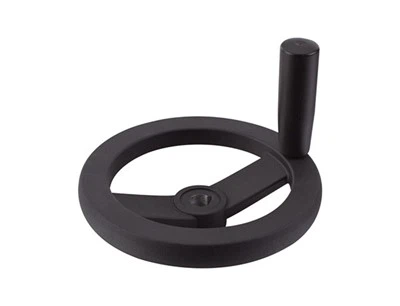
Hey there! As a supplier of internal handwheels, I often get asked whether our products can be used in a textile - manufacturing environment. Well, let's dive right into it and find out.
First off, let's talk about what internal handwheels are. They're those nifty little devices that allow operators to manually control and adjust machinery. They come in different shapes, sizes, and materials, each designed to serve specific functions. For instance, we have the 3 Spoke Handwheel, which is known for its sturdy design and ease of use. Then there's the Position Indicator Handwheels, which are great for getting precise readings and making fine - tuned adjustments. And of course, the Stainless Steel Spoked Handwheel, which offers durability and resistance to corrosion.


Now, let's take a look at the textile - manufacturing environment. Textile mills are busy places. There's a lot of machinery running all the time, and there are specific conditions that any equipment used there has to be able to handle.
One of the main factors in a textile - manufacturing environment is the presence of lint and dust. Textile fibers and dust particles are constantly floating around in the air. These can easily get into machinery and cause problems. So, for internal handwheels to work well here, they need to be designed in a way that prevents lint and dust from clogging them up. Our handwheels are engineered with sealed bearings and smooth surfaces that make it difficult for lint to accumulate. This means less maintenance and longer - lasting performance.
Another aspect is the need for precision. In textile manufacturing, even the slightest misalignment or incorrect setting can lead to defective products. That's where the precision of our internal handwheels comes in handy. The Position Indicator Handwheels I mentioned earlier are perfect for this. They allow operators to make very accurate adjustments, ensuring that the textile machinery is running at its best and producing high - quality products.
The environment in a textile mill can also be quite humid at times. Moisture can cause metal parts to rust and corrode. That's why our Stainless Steel Spoked Handwheel is a great option. Stainless steel is highly resistant to corrosion, so it can withstand the humid conditions in a textile mill without deteriorating. This not only extends the life of the handwheel but also reduces the risk of breakdowns and costly repairs.
In addition to the physical conditions, there's also the matter of operator comfort. Textile workers often have to use handwheels for long periods. If the handwheels are uncomfortable to grip or operate, it can lead to fatigue and reduced productivity. Our internal handwheels are designed with ergonomics in mind. They have a comfortable grip that reduces strain on the operator's hand, even during extended use.
Let's also talk about the types of machinery in a textile - manufacturing environment. There are spinning machines, weaving machines, dyeing machines, and more. Each of these machines may have different requirements for handwheels. For example, spinning machines may need handwheels that can handle high - speed rotations, while dyeing machines may require handwheels that are resistant to chemicals. Our range of internal handwheels is diverse enough to meet these different needs. Whether it's a high - speed application or one that involves contact with chemicals, we have a handwheel that's up to the task.
Now, let's consider the cost - effectiveness. In any manufacturing environment, cost is always a concern. Buying high - quality internal handwheels may seem like a big investment at first, but in the long run, it pays off. Our handwheels are built to last, which means fewer replacements. And because they're designed to work well in the textile - manufacturing environment, they reduce the risk of machinery breakdowns and production delays. This ultimately saves money for textile manufacturers.
I've also heard from some textile manufacturers that they're worried about the installation process. Well, our internal handwheels are designed for easy installation. We provide clear instructions, and our technical support team is always ready to help if there are any questions. So, you don't have to worry about a complicated installation process that could disrupt your production.
So, to sum it up, yes, internal handwheels can definitely be used in a textile - manufacturing environment. Our handwheels are designed to handle the specific challenges of this environment, such as lint and dust, the need for precision, humidity, and operator comfort. They offer a cost - effective solution that can improve the performance of textile machinery and increase productivity.
If you're in the textile - manufacturing business and are looking for reliable internal handwheels, I'd love to talk to you. Whether you need more information about our products, want to discuss your specific requirements, or are ready to place an order, don't hesitate to reach out. We're here to help you find the perfect handwheels for your textile - manufacturing needs.
References
- General knowledge of textile - manufacturing processes and machinery requirements.
- In - house research and development data on the performance of internal handwheels in different environments.