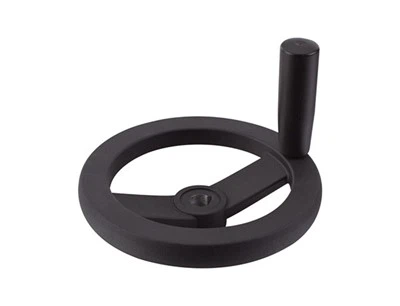
Hey there! I'm a supplier of solid handwheels, and I've seen firsthand how crucial it is to maintain their accuracy over time. In this blog, I'll share some tips and tricks on how you can keep your solid handwheels in top-notch condition, ensuring they serve you well for years to come.


Understanding the Basics of Solid Handwheels
Before we dive into maintenance, let's quickly go over what solid handwheels are and why accuracy matters. Solid handwheels are used in a variety of applications, from industrial machinery to automotive and aerospace. They provide a reliable way to control the movement of equipment, and their accuracy is essential for precise operation.
There are different types of solid handwheels, such as Two-spoke Handwheels, Spoked Handwheels, and Aluminum Alloy Handwheel. Each type has its own unique features and benefits, but they all require proper maintenance to maintain accuracy.
Factors Affecting Handwheel Accuracy
Several factors can affect the accuracy of solid handwheels over time. Understanding these factors is the first step in implementing effective maintenance strategies.
- Wear and Tear: Regular use can cause the components of a handwheel to wear down. This includes the wheel itself, the bearings, and any other moving parts. As these parts wear, the handwheel may become less precise in its operation.
- Environmental Conditions: Exposure to harsh environments, such as extreme temperatures, humidity, or corrosive substances, can damage the handwheel. For example, rust can form on metal handwheels, affecting their smoothness and accuracy.
- Improper Installation: If a handwheel is not installed correctly, it can lead to misalignment and reduced accuracy. This can happen if the mounting holes are not properly aligned or if the handwheel is not tightened securely.
- Overloading: Applying too much force or torque to the handwheel can cause it to deform or break. This can significantly impact its accuracy and functionality.
Maintenance Tips for Maintaining Accuracy
Now that we know what can affect handwheel accuracy, let's look at some practical tips for keeping your handwheels in good shape.
Regular Cleaning
Cleaning your handwheels regularly is essential to prevent the buildup of dirt, debris, and contaminants. Use a mild detergent and a soft cloth to wipe down the handwheel, paying special attention to the moving parts. Avoid using abrasive cleaners or tools, as these can scratch the surface of the handwheel and cause damage.
Lubrication
Proper lubrication is crucial for ensuring smooth operation and reducing wear and tear. Apply a high-quality lubricant to the bearings and other moving parts of the handwheel according to the manufacturer's recommendations. This will help to reduce friction and extend the lifespan of the handwheel.
Inspection
Regular inspections are key to detecting any signs of wear or damage early on. Check the handwheel for any cracks, chips, or other visible damage. Also, inspect the bearings and other moving parts for signs of wear, such as excessive play or roughness. If you notice any issues, address them immediately to prevent further damage.
Calibration
Periodically calibrating your handwheels is important to ensure they are operating accurately. This can be done using specialized calibration tools or by comparing the handwheel's movement to a known standard. If the handwheel is found to be out of calibration, adjust it according to the manufacturer's instructions.
Storage
When not in use, store your handwheels in a clean, dry place. Protect them from dust, moisture, and other environmental factors that can cause damage. If possible, store the handwheels in their original packaging or a protective case to prevent scratches and other damage.
Handling and Installation Best Practices
In addition to regular maintenance, proper handling and installation are also important for maintaining handwheel accuracy.
- Handle with Care: When handling handwheels, be gentle and avoid dropping or banging them. This can cause damage to the handwheel and affect its accuracy.
- Follow Installation Instructions: Always follow the manufacturer's installation instructions carefully. Make sure the handwheel is properly aligned and tightened securely to prevent misalignment and reduced accuracy.
- Use the Right Tools: Use the appropriate tools for installation and maintenance. Using the wrong tools can damage the handwheel and make it more difficult to maintain accuracy.
Troubleshooting Common Issues
Even with proper maintenance, you may still encounter some issues with your handwheels from time to time. Here are some common problems and how to troubleshoot them.
- Stiff or Difficult to Turn: If the handwheel is stiff or difficult to turn, it may be due to lack of lubrication or a buildup of dirt and debris. Clean the handwheel and apply lubricant to the moving parts. If the problem persists, check for any signs of damage or misalignment.
- Loose or Wobbly: A loose or wobbly handwheel may be caused by a loose mounting or worn bearings. Check the mounting bolts and tighten them if necessary. If the bearings are worn, replace them with new ones.
- Inaccurate Movement: If the handwheel is not moving accurately, it may be due to misalignment or calibration issues. Check the alignment of the handwheel and adjust it if necessary. Also, calibrate the handwheel to ensure it is operating accurately.
Conclusion
Maintaining the accuracy of solid handwheels over time is essential for ensuring their reliable performance and longevity. By following the tips and best practices outlined in this blog, you can keep your handwheels in top-notch condition and avoid costly repairs and replacements.
If you're in the market for high-quality solid handwheels or need more information on handwheel maintenance, don't hesitate to reach out. We're here to help you find the right handwheels for your needs and provide you with the support and guidance you need to keep them in good shape.
References
- Manufacturer's manuals and specifications for solid handwheels
- Industry standards and best practices for handwheel maintenance
- Technical articles and research on handwheel performance and reliability