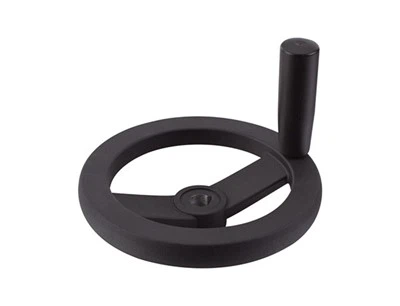
In the realm of food - processing equipment, every component plays a crucial role in ensuring both the efficiency of the production process and the safety of the final food products. One such component that often comes under scrutiny is the type of crank handle used. As a supplier of Straight Crank Handles, I am frequently asked whether straight crank handles can be used in food - processing equipment. In this blog post, I will delve into this question, exploring the advantages, potential drawbacks, and the overall suitability of straight crank handles in food - processing settings.
Advantages of Using Straight Crank Handles in Food - Processing Equipment
1. Ergonomics
Straight crank handles are designed with user comfort in mind. Their simple, linear shape allows operators to grip them easily and apply force in a natural and intuitive manner. In food - processing facilities, where workers may need to perform repetitive tasks such as opening and closing valves, adjusting conveyor belts, or operating mixing machines, ergonomic tools can significantly reduce the risk of musculoskeletal disorders. By minimizing the physical strain on workers, straight crank handles can contribute to a more productive and healthy work environment.
2. Space Efficiency
Food - processing equipment often has limited space, especially in areas where multiple components are densely packed. Straight crank handles have a relatively compact design compared to some other types of handles, such as Ball Crank Handles. Their straight shape allows them to fit into tight spaces without interfering with other equipment or obstructing the movement of workers. This makes them an ideal choice for food - processing machinery where space optimization is crucial.
3. Ease of Cleaning
Maintaining high levels of hygiene is of utmost importance in the food - processing industry. Straight crank handles are generally easier to clean compared to handles with complex shapes or crevices. Their smooth, straight surfaces can be easily wiped down, sanitized, and inspected for any signs of contamination. This reduces the risk of food particles, bacteria, or other contaminants getting trapped in the handle, which could potentially contaminate the food products being processed.
4. Durability
Food - processing environments can be harsh, with exposure to moisture, chemicals, and frequent use. Straight crank handles are typically made from high - quality materials such as stainless steel or durable plastics, which can withstand these conditions. They are resistant to corrosion, wear, and tear, ensuring a long service life. This durability means that food - processing facilities can rely on straight crank handles to perform consistently over time, reducing the need for frequent replacements and minimizing downtime.
Potential Drawbacks and Considerations
1. Limited Range of Motion
One of the main limitations of straight crank handles is their relatively limited range of motion compared to some other types of handles, such as Lathe Crank Handle. In applications where a wide range of movement is required, a straight crank handle may not be the most suitable option. For example, if a piece of equipment needs to be adjusted through a large angle or in multiple directions, a different type of handle may be more appropriate.
2. Force Application
While straight crank handles are ergonomic for many tasks, they may not be the best choice for applications that require a large amount of force to be applied. In some cases, the straight design may not provide the leverage needed to operate heavy - duty equipment effectively. In such situations, a handle with a different shape or mechanism may be necessary to ensure smooth and efficient operation.
3. Compatibility with Equipment
Not all food - processing equipment is designed to work with straight crank handles. Some machinery may require a specific type of handle for proper operation or to meet safety standards. Before installing straight crank handles on food - processing equipment, it is essential to ensure that they are compatible with the equipment's design and functionality. This may involve consulting the equipment manufacturer or conducting a thorough assessment of the equipment's requirements.


Ensuring Compliance with Food - Safety Standards
When using straight crank handles in food - processing equipment, it is crucial to ensure that they comply with relevant food - safety standards. These standards are in place to protect consumers from potential health risks associated with food contamination. Here are some key considerations:
1. Material Selection
The materials used to manufacture straight crank handles must be food - grade and safe for contact with food products. Stainless steel is a popular choice due to its corrosion resistance, durability, and ease of cleaning. It is also non - toxic and does not leach harmful substances into the food. Other food - grade plastics and polymers can also be used, provided they meet the necessary safety requirements.
2. Surface Finish
The surface finish of the straight crank handle is important for preventing the accumulation of food particles and bacteria. A smooth, polished surface is preferred as it is easier to clean and sanitize. Rough or textured surfaces can trap contaminants and make it difficult to achieve proper hygiene.
3. Design Features
The design of the straight crank handle should minimize the risk of food entrapment. This may involve avoiding sharp edges, crevices, or recesses where food particles could get stuck. Additionally, the handle should be designed in a way that allows for easy disassembly and cleaning, if necessary.
Conclusion
In conclusion, straight crank handles can be a viable option for many food - processing equipment applications. Their ergonomic design, space efficiency, ease of cleaning, and durability make them well - suited for a variety of tasks in the food - processing industry. However, it is important to consider their potential limitations, such as limited range of motion and force application, and ensure that they are compatible with the specific equipment and comply with food - safety standards.
If you are in the food - processing industry and are considering using straight crank handles in your equipment, I encourage you to reach out to me. As a supplier of high - quality Straight Crank Handles, I can provide you with detailed information about our products, help you determine the best handle for your specific needs, and assist you in ensuring compliance with food - safety regulations. Contact me today to start a discussion about your procurement requirements.
References
- "Food Safety Modernization Act (FSMA) Regulations." U.S. Food and Drug Administration.
- "Guidelines for Hygienic Design of Food Processing Equipment." International Organization for Standardization (ISO).
- "Ergonomics in the Workplace: A Guide for Food Processing Facilities." Occupational Safety and Health Administration (OSHA).