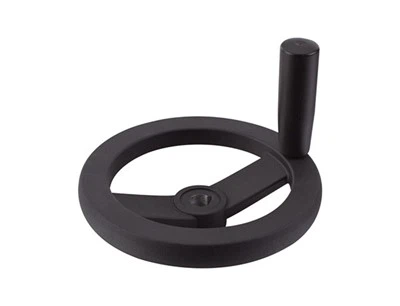
In the industrial and manufacturing sectors, clamping knobs play a crucial role in various applications, from machinery to equipment assembly. As a clamping knob supplier, we understand the importance of ergonomics in these seemingly simple yet essential components. Ergonomics is not just about making a product comfortable to use; it's about enhancing efficiency, reducing fatigue, and minimizing the risk of injuries for the end - users. In this blog, we will explore several ways to improve the ergonomics of a clamping knob.
Understanding Ergonomics in Clamping Knobs
Before delving into the methods of improvement, it's essential to understand what ergonomics means in the context of clamping knobs. Ergonomic clamping knobs are designed to fit the natural shape and movement of the human hand, allowing users to apply force easily and comfortably. They should enable smooth operation, reduce the need for excessive grip strength, and minimize the strain on the hand, wrist, and forearm.
Material Selection
The choice of material is a fundamental factor in improving the ergonomics of a clamping knob. Different materials offer various levels of comfort, grip, and durability.
- Rubber and Soft Plastics: These materials are excellent for enhancing grip. They conform to the shape of the hand, providing a comfortable and secure hold. Rubber has a high coefficient of friction, which means users can apply force without the knob slipping out of their hands. Soft plastics, on the other hand, can be molded into various shapes and textures to improve grip and reduce hand fatigue. For example, a clamping knob with a rubberized outer layer can significantly improve the user experience, especially in applications where frequent adjustments are required.
- Lightweight Metals with Coating: Metals like aluminum are lightweight and strong. However, they can be slippery and cold to the touch. Applying a rubber or plastic coating to metal clamping knobs can solve these problems. The coating provides a better grip and insulates the hand from the cold metal surface. This combination of lightweight metal and a comfortable coating makes the clamping knob easier to handle and reduces the physical effort required for operation.
Shape Design
The shape of a clamping knob has a direct impact on its ergonomics. A well - designed shape can fit the hand naturally and allow for efficient force application.


- Contoured Shapes: Knobs with contoured shapes are designed to follow the curves of the hand. For example, a knob that is wider at the base and tapers towards the top can fit comfortably in the palm, with the fingers naturally wrapping around it. This shape distributes the force evenly across the hand, reducing the stress on individual fingers and joints.
- Ergonomic Profiles: Some clamping knobs have profiles that are specifically designed for different hand movements. For instance, a knob with a rounded top can be easily turned with a flick of the wrist, while a knob with a flat top can be pressed down or pulled up more comfortably. These profiles take into account the natural range of motion of the hand and make the operation of the clamping knob more intuitive.
Size and Proportion
The size and proportion of a clamping knob are also critical for ergonomics. A knob that is too small can be difficult to grip, while a knob that is too large can be cumbersome and require excessive force to operate.
- Optimal Diameter: The diameter of the clamping knob should be large enough to provide a comfortable grip but not so large that it becomes difficult to handle. Generally, a diameter between 25mm and 50mm is considered optimal for most applications. This size allows the fingers to wrap around the knob easily and apply force effectively.
- Length and Width: The length and width of the knob should be proportionate to its diameter. A knob that is too long or too wide can make it difficult to control, while a knob that is too short or narrow may not provide enough surface area for a secure grip. The ideal length and width depend on the specific application and the size of the hand of the typical user.
Surface Texture
The surface texture of a clamping knob can significantly improve its ergonomics. A textured surface provides better grip and reduces the risk of slipping.
- Ribs and Grooves: Adding ribs or grooves to the surface of the clamping knob can increase the friction between the hand and the knob. These features provide a tactile feedback to the user, allowing them to feel the position and movement of the knob more accurately. Ribs and grooves can be designed in different patterns and sizes, depending on the application and the desired level of grip.
- Non - Slip Coatings: In addition to physical textures, non - slip coatings can also be applied to the surface of the clamping knob. These coatings are usually made of materials like rubber or silicone and can provide a smooth yet grippy surface. Non - slip coatings are particularly useful in applications where the hands may be wet or oily.
Types of Clamping Knobs and Their Ergonomic Features
As a clamping knob supplier, we offer a variety of clamping knobs, each with its own ergonomic features.
- Lobe Knobs: Lobe knobs have a unique shape with multiple lobes or protrusions. These lobes provide a natural place for the fingers to grip, allowing for easy and comfortable operation. The shape of the lobe knobs also makes them suitable for applications where a high level of torque is required, as the fingers can apply force at different points around the knob.
- Mushroom Type Knobs: Mushroom type knobs have a large, rounded top that is easy to grip. The shape of the knob resembles a mushroom, with a narrow stem and a wide cap. This design allows the hand to rest comfortably on the top of the knob, and the user can apply force by pressing down or turning the knob. Mushroom type knobs are often used in applications where quick adjustments are needed.
- Deflection Knobs: Deflection knobs are designed to provide a high level of adjustment with minimal effort. They have a unique mechanism that allows the knob to be deflected or tilted, which can be used to fine - tune the clamping force. The shape and design of deflection knobs are usually ergonomic, with a comfortable grip and easy - to - operate mechanism.
User Feedback and Testing
To continuously improve the ergonomics of our clamping knobs, we rely on user feedback and testing. We encourage our customers to provide feedback on the comfort and usability of our products. This feedback helps us identify areas for improvement and make necessary adjustments to our designs.
We also conduct user testing in our facilities. During these tests, we observe how users interact with our clamping knobs and measure factors such as grip strength, fatigue, and ease of operation. Based on the results of these tests, we can make changes to the material, shape, size, or surface texture of the clamping knobs to enhance their ergonomics.
Conclusion
Improving the ergonomics of a clamping knob is a multi - faceted process that involves material selection, shape design, size and proportion, surface texture, and user feedback. As a clamping knob supplier, we are committed to providing our customers with high - quality, ergonomic clamping knobs that enhance efficiency and reduce the risk of injuries.
If you are interested in purchasing clamping knobs or have any questions about our products, we invite you to contact us for procurement discussions. We look forward to working with you to meet your specific needs.
References
- Grandjean, E. (1988). Fitting the Task to the Man: An Introduction to Ergonomics. Taylor & Francis.
- Konz, S., & Johnson, S. (2000). Work Design: Industrial Ergonomics. Holcomb Hathaway.
- Pheasant, S., & Haslegrave, C. M. (2006). Bodyspace: Anthropometry, Ergonomics and the Design of Work. Taylor & Francis.