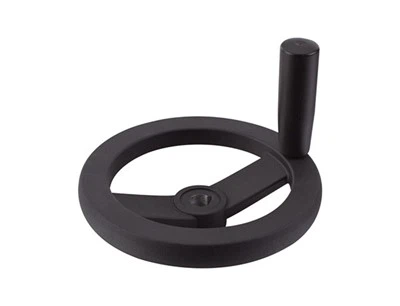
When it comes to selecting a revolving handle, durability stands out as a paramount consideration. As a supplier of revolving handles, I've witnessed firsthand the impact of choosing a handle that can withstand the test of time. In this blog, I'll share insights on how to choose a revolving handle based on its durability, ensuring you make an informed decision for your specific needs.
Understanding the Importance of Durability
Durability in a revolving handle is not just about longevity; it's about reliability and performance over an extended period. A durable handle can endure frequent use, resist wear and tear, and maintain its functionality even under challenging conditions. This is especially crucial in industrial settings, where revolving handles are often used to operate machinery, control valves, or adjust equipment settings. A handle that fails prematurely can lead to downtime, increased maintenance costs, and potential safety hazards.
Factors Affecting Durability
Several factors contribute to the durability of a revolving handle. Understanding these factors will help you evaluate different options and select the one that best suits your requirements.
Material Quality
The material used to manufacture the revolving handle plays a significant role in its durability. High-quality materials are more resistant to corrosion, abrasion, and impact, ensuring a longer lifespan. Common materials for revolving handles include:
- Metal: Metals such as steel, stainless steel, and aluminum are popular choices due to their strength and durability. Steel handles are known for their high tensile strength and resistance to wear, making them suitable for heavy-duty applications. Stainless steel offers excellent corrosion resistance, making it ideal for use in harsh environments. Aluminum handles are lightweight and corrosion-resistant, making them a good choice for applications where weight is a concern.
- Plastic: Plastic handles are lightweight, cost-effective, and available in a variety of colors and designs. However, their durability can vary depending on the type of plastic used. High-quality engineering plastics such as polycarbonate and nylon offer good strength and resistance to impact, making them suitable for many applications.
Design and Construction
The design and construction of the revolving handle also affect its durability. A well-designed handle should have a sturdy structure that can withstand the forces applied during use. Some key design features to consider include:
- Ergonomics: An ergonomic handle design ensures comfortable grip and reduces the risk of fatigue and injury during prolonged use. Look for handles with a contoured shape and a non-slip surface.
- Reinforcement: Handles with reinforced structures, such as ribs or gussets, are more resistant to bending and breaking. This is especially important for handles that are subjected to high loads or frequent use.
- Sealing: Handles with proper sealing can prevent the ingress of dust, dirt, and moisture, which can cause corrosion and damage to the internal components. This is particularly important for handles used in outdoor or harsh environments.
Manufacturing Process
The manufacturing process used to produce the revolving handle can also impact its durability. Precision manufacturing techniques ensure consistent quality and tight tolerances, resulting in a handle that fits properly and functions smoothly. Look for handles that are manufactured using advanced processes such as machining, forging, or injection molding.
Evaluating Durability in Revolving Handles
When evaluating the durability of a revolving handle, it's important to consider both the material quality and the design and construction. Here are some tips to help you make an informed decision:
- Check the Manufacturer's Specifications: The manufacturer's specifications should provide information on the material, dimensions, and load capacity of the handle. Pay attention to the recommended operating conditions and any limitations or warnings.
- Look for Certifications and Standards: Handles that meet industry standards and certifications, such as ISO 9001 or CE, are more likely to be of high quality and durability. These certifications indicate that the manufacturer has implemented a quality management system and adheres to strict manufacturing standards.
- Read Customer Reviews and Testimonials: Customer reviews and testimonials can provide valuable insights into the durability and performance of the handle. Look for reviews from customers who have used the handle in similar applications and pay attention to any comments about its durability, ease of use, and reliability.
- Request Samples: If possible, request samples of the revolving handle to test its durability firsthand. You can perform simple tests such as applying a load or checking the handle's resistance to wear and tear. This will give you a better idea of the handle's quality and performance before making a purchase.
Types of Revolving Handles and Their Durability
There are several types of revolving handles available on the market, each with its own unique features and durability characteristics. Here are some common types of revolving handles and their suitability for different applications:
Ball Crank Handles
Ball crank handles are designed with a ball-shaped grip at the end of the handle, providing a comfortable and secure grip. They are commonly used in applications where a quick and easy adjustment is required, such as in machinery and equipment. Ball crank handles are available in a variety of materials and sizes, and their durability depends on the material and design.
Revolving Ball Crank Handles
Revolving ball crank handles are similar to ball crank handles, but they have a revolving ball at the end of the handle, allowing for a 360-degree rotation. This makes them ideal for applications where the handle needs to be adjusted in multiple directions. Revolving ball crank handles are typically made of metal or plastic, and their durability depends on the material and construction.
Lathe Crank Handle
Lathe crank handles are used to operate lathes and other machine tools. They are designed with a long, slender shaft and a crank at the end, providing a mechanical advantage for turning the lathe spindle. Lathe crank handles are typically made of metal, and their durability depends on the material and design.
Making the Right Choice
When choosing a revolving handle based on its durability, it's important to consider your specific needs and requirements. Here are some steps to help you make the right choice:
- Identify Your Application: Determine the specific application for which you need the revolving handle. Consider factors such as the type of machinery or equipment, the frequency of use, and the operating environment.
- Evaluate Your Requirements: Based on your application, evaluate your requirements for the handle, such as the load capacity, the level of durability, and the desired design features.
- Research Different Options: Research different types of revolving handles and compare their features, materials, and prices. Look for handles that meet your requirements and offer good value for money.
- Consult with a Professional: If you're unsure which type of revolving handle is best for your application, consult with a professional or an experienced supplier. They can provide you with expert advice and help you select the right handle for your needs.
Conclusion
Choosing a revolving handle based on its durability is essential for ensuring reliable performance and long-term use. By considering factors such as material quality, design and construction, and manufacturing process, you can select a handle that meets your specific needs and provides excellent value for money. Whether you're looking for a ball crank handle, a revolving ball crank handle, or a lathe crank handle, there are many options available on the market to choose from. If you have any questions or need further assistance in selecting the right revolving handle for your application, please don't hesitate to contact us. We're here to help you make the best decision for your business.


References
- "Engineering Materials and Their Applications" by Lawrence G. Carbary
- "Design of Machine Elements" by Robert L. Norton
- "Handbook of Plastics, Elastomers, and Composites" by Charles A. Harper