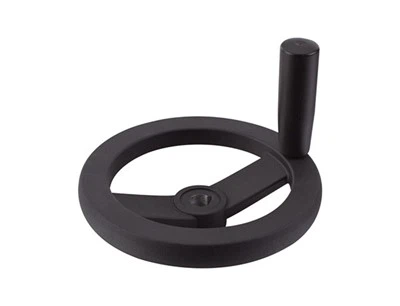
As a supplier of Solid Handwheels, I've had the privilege of working with a wide range of industries and applications. Over the years, I've learned that optimizing the design of solid handwheels for specific applications is crucial for ensuring functionality, efficiency, and user satisfaction. In this blog post, I'll share some insights and tips on how to achieve this.
Understanding the Application
The first step in optimizing the design of solid handwheels is to understand the specific application they'll be used in. Different applications have different requirements, and the design of the handwheel should be tailored to meet those needs. For example, a handwheel used in a high-precision machining application will have different requirements than one used in a heavy-duty industrial setting.
When evaluating the application, consider the following factors:
- Load Requirements: Determine the amount of force that will be applied to the handwheel during operation. This will help you select the appropriate material and size for the handwheel.
- Operating Environment: Consider the environment in which the handwheel will be used. Factors such as temperature, humidity, and exposure to chemicals or other contaminants can affect the performance and durability of the handwheel.
- Ergonomics: Think about the user who will be operating the handwheel. The design should be comfortable to grip and easy to turn, even for extended periods of time.
- Space Constraints: Take into account any space limitations in the application. The handwheel should fit within the available space without interfering with other components.
Selecting the Right Material
Once you have a clear understanding of the application, the next step is to select the right material for the solid handwheel. The material you choose will depend on several factors, including the load requirements, operating environment, and cost.
Here are some common materials used in the manufacturing of solid handwheels:
- Aluminum: Aluminum is a lightweight and corrosion-resistant material that is commonly used in applications where weight is a concern. It is also relatively inexpensive and easy to machine.
- Stainless Steel: Stainless steel is a durable and corrosion-resistant material that is suitable for applications where the handwheel will be exposed to harsh environments or chemicals. It is more expensive than aluminum but offers better strength and durability.
- Plastic: Plastic handwheels are lightweight, inexpensive, and easy to customize. They are suitable for applications where the load requirements are low and the operating environment is relatively mild.
- Cast Iron: Cast iron is a heavy-duty material that is commonly used in applications where the handwheel will be subjected to high loads and stresses. It is durable and resistant to wear and tear but is also relatively expensive and heavy.
Designing for Ergonomics
Ergonomics is an important consideration when designing solid handwheels. A well-designed handwheel should be comfortable to grip and easy to turn, even for extended periods of time. This can help reduce fatigue and improve productivity for the user.
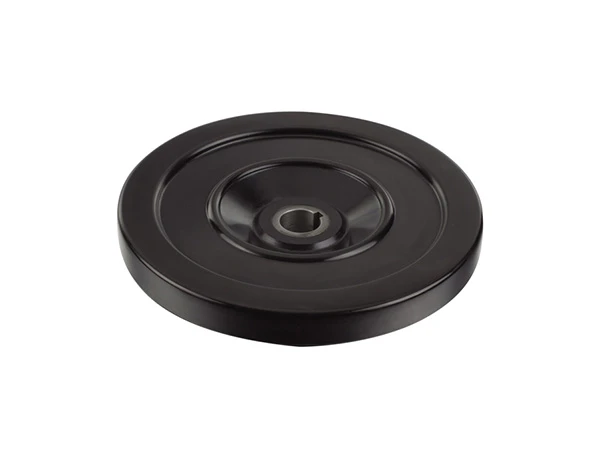

Here are some tips for designing ergonomic solid handwheels:
- Choose the Right Size: The size of the handwheel should be appropriate for the user's hand size. A handwheel that is too small or too large can be uncomfortable to grip and may cause fatigue.
- Provide a Comfortable Grip: The surface of the handwheel should be designed to provide a comfortable and secure grip. This can be achieved through the use of textured or knurled surfaces, as well as ergonomic shapes.
- Consider the Turning Force: The design of the handwheel should allow for easy turning with minimal effort. This can be achieved through the use of a large diameter handwheel or a handwheel with a high gear ratio.
- Reduce Vibration and Noise: Vibration and noise can be a source of discomfort for the user. The design of the handwheel should minimize vibration and noise to improve the user experience.
Customizing the Design
In many cases, standard solid handwheels may not meet the specific requirements of an application. In these situations, customizing the design of the handwheel may be necessary.
Here are some ways to customize the design of solid handwheels:
- Add Features: You can add features such as handles, knobs, or indicators to the handwheel to make it more functional and user-friendly.
- Modify the Shape: The shape of the handwheel can be modified to fit the specific requirements of the application. For example, you can design a handwheel with a non-circular shape to fit into a tight space.
- Change the Material: You can choose a different material for the handwheel to meet the specific requirements of the application. For example, you may choose a more durable material for a handwheel that will be subjected to high loads and stresses.
- Apply Custom Finishes: You can apply custom finishes to the handwheel to improve its appearance and durability. This can include painting, powder coating, or anodizing.
Testing and Validation
Once the design of the solid handwheel has been finalized, it's important to test and validate the design to ensure that it meets the specific requirements of the application. This can involve conducting physical tests, such as load testing and fatigue testing, as well as computer simulations.
Here are some steps to follow when testing and validating the design of solid handwheels:
- Define the Test Criteria: Clearly define the test criteria for the handwheel, including the load requirements, operating environment, and performance specifications.
- Conduct Physical Tests: Perform physical tests on the handwheel to evaluate its performance under real-world conditions. This can include load testing, fatigue testing, and corrosion testing.
- Analyze the Results: Analyze the results of the physical tests to determine if the handwheel meets the test criteria. If the handwheel does not meet the criteria, make the necessary design modifications and repeat the testing process.
- Validate the Design: Once the handwheel has passed all the tests, validate the design to ensure that it is suitable for the specific application. This can involve conducting field tests or obtaining feedback from users.
Contact for Procurement
If you're looking for high-quality solid handwheels that are optimized for your specific application, look no further. As a leading supplier of Solid Handwheels, we have the expertise and experience to provide you with the right solution. We also offer Internal Handwheels and Spoked Handwheels to meet a variety of needs.
Contact us today to discuss your requirements and get a quote. Our team of experts will work with you to design and manufacture the perfect handwheel for your application.
References
- ISO 1101: Geometrical product specifications (GPS) - Geometrical tolerancing - Tolerances of form, orientation, location and run-out
- ANSI B18.18.2M: Handwheels, Knobs, and Handles
- OSHA Ergonomics Guidelines for Manual Material Handling