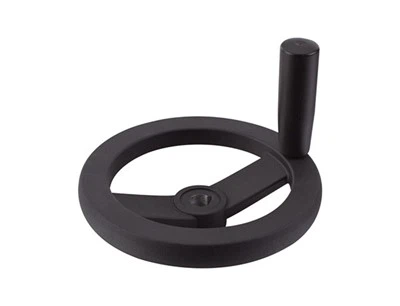
Hey there! I'm a supplier of Deflection Knobs, and I often get asked about how to test the durability of these little yet crucial components. In this blog, I'll share some practical methods and insights that can help you figure out just how long your Deflection Knobs will last under different conditions.
First off, let's understand what Deflection Knobs are. Deflection Knobs are used in various applications where you need to adjust or control something with a bit of flexibility. They're found in machinery, equipment, and even some consumer products. You can check out more about them on our website Deflection Knobs.
Why Durability Testing Matters
Durability testing is super important. It helps you ensure that the Deflection Knobs you're using or supplying can withstand the wear and tear of regular use. If a knob fails prematurely, it can lead to equipment malfunctions, increased maintenance costs, and even safety issues. So, by testing the durability, you can avoid these headaches down the road.
Visual Inspection
The first step in testing the durability of Deflection Knobs is a simple visual inspection. Before you even start any mechanical or environmental tests, take a close look at the knobs. Check for any visible defects like cracks, chips, or uneven surfaces. These flaws can be signs of poor manufacturing quality or damage during transit. If you notice any of these issues, it's likely that the knob won't last as long as it should.
Material Testing
The material of the Deflection Knob plays a huge role in its durability. Different materials have different properties, such as strength, hardness, and resistance to corrosion. For example, if a knob is made of a soft plastic, it might wear out quickly under heavy use. On the other hand, a metal knob might be more durable but could be prone to rust if not properly coated.
One way to test the material is through a hardness test. You can use a hardness tester to measure how hard the material is. A harder material generally means better durability, as it can resist scratches and deformation. Another test is the chemical resistance test. If the knob is going to be used in an environment where it might come into contact with chemicals, you need to make sure it can withstand them without deteriorating.
Mechanical Testing
Mechanical testing is all about simulating the real-world use of the Deflection Knob. There are several types of mechanical tests you can perform.
Torque Testing
Torque testing measures the amount of force required to turn the knob. You can use a torque wrench to apply a specific amount of torque to the knob and see how it responds. Over time, if the knob starts to require more torque to turn or if it becomes loose, it could be a sign of wear.
Fatigue Testing
Fatigue testing involves repeatedly turning the knob back and forth to see how it holds up over time. You can set up a testing machine to perform this test automatically. Keep track of the number of cycles the knob can withstand before it fails. This will give you an idea of its long-term durability.
Load Testing
Load testing is about applying a constant or varying load to the knob while it's in use. For example, if the knob is used to adjust the tension on a belt, you can apply a load to the belt and then turn the knob to see how it performs under stress. This test can help you determine if the knob can handle the actual loads it will face in real applications.
Environmental Testing
The environment in which the Deflection Knob is used can also have a big impact on its durability. Here are some environmental tests you can consider.
Temperature Testing
Temperature can affect the material properties of the knob. Extreme heat can cause the material to expand and become softer, while extreme cold can make it brittle. You can use a temperature chamber to expose the knob to different temperatures and see how it behaves. For example, you can test the knob at high temperatures to see if it melts or deforms, and at low temperatures to check for cracking.
Humidity Testing
Humidity can cause corrosion, especially if the knob is made of metal. You can place the knob in a humidity chamber and control the humidity level. Monitor the knob over time to see if it develops any signs of rust or other moisture-related damage.
Comparing with Similar Products
Another way to gauge the durability of your Deflection Knobs is to compare them with similar products on the market. Look at Knurled Clamping Knobs and Knurled Thread Clamping Knob. By comparing the test results of your knobs with these similar products, you can see how they stack up and identify areas for improvement.
Recording and Analyzing Results
Throughout the testing process, it's important to record all the results. Keep a detailed log of the tests you perform, including the test conditions, the results, and any observations you make. Analyze the data to look for patterns or trends. For example, if you notice that all the knobs fail after a certain number of cycles in the fatigue test, you might need to reevaluate the design or material of the knob.


Conclusion
Testing the durability of Deflection Knobs is a multi-step process that involves visual inspection, material testing, mechanical testing, and environmental testing. By following these steps, you can get a good idea of how long your knobs will last and ensure that they meet the quality standards required for your applications.
If you're in the market for high-quality Deflection Knobs or have any questions about our products, feel free to reach out for a procurement discussion. We're always happy to help you find the right knobs for your needs.
References
- ASTM International. (Year). Standard Test Methods for [relevant test methods]. ASTM [Standard number].
- Machinery's Handbook. (Year). Industrial Press Inc.