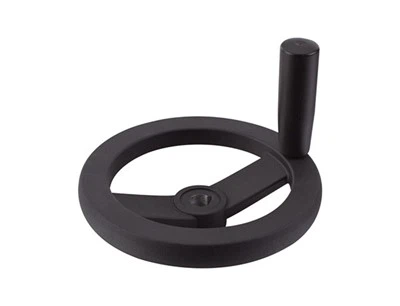
Hey there! As a supplier of Lathe Crank Handles, I've seen my fair share of issues that customers run into. Troubleshooting problems with a lathe crank handle can be a bit of a headache, but don't worry – I'm here to walk you through it.
First off, let's talk about what a lathe crank handle is and why it's important. A lathe crank handle is a crucial part of a lathe machine. It's used to control the movement of different parts of the lathe, like the carriage or the cross - slide. Without a properly functioning crank handle, it's going to be really tough to get accurate and smooth machining done.
Common Problems and How to Fix Them
1. Handle is Loose
One of the most common problems is a loose crank handle. If you notice that the handle wiggles or doesn't seem to be firmly attached to the shaft, there are a few things you can do.
First, check the set screw. Most lathe crank handles are secured to the shaft with a set screw. Use an appropriate Allen wrench or screwdriver to tighten the set screw. Make sure it's tightened enough so that the handle doesn't move freely, but don't over - tighten it, as this could damage the screw or the shaft.
If tightening the set screw doesn't solve the problem, the keyway might be worn. The keyway is a slot in the shaft and the handle that allows them to turn together. Over time, this slot can wear down, causing the handle to become loose. In this case, you might need to replace the key or even the entire handle. You can find a variety of Lathe Crank Handles on our website that are designed to fit different lathe models.
2. Difficulty Turning
If you're having a hard time turning the crank handle, there could be several reasons.
Lack of Lubrication: The first thing to check is lubrication. Over time, dirt and debris can build up in the moving parts of the handle and the shaft, causing friction. Use a high - quality lubricant, like machine oil, to lubricate the shaft and the areas where the handle rotates. Apply a small amount of oil and then turn the handle several times to distribute the lubricant evenly.
Mechanical Blockage: There might be a mechanical blockage in the system. Check for any foreign objects that might be stuck in the gears or the moving parts of the lathe. Sometimes, chips or small pieces of metal can get lodged in the mechanism, preventing the handle from turning smoothly. Remove any debris carefully using a brush or compressed air.
Worn Gears: If the gears that the crank handle is connected to are worn, it can also cause difficulty in turning. Inspect the gears for signs of wear, such as teeth that are chipped or worn down. If the gears are worn, they will need to be replaced. This is a more complex repair, and you might want to consult a professional if you're not experienced with lathe maintenance.
3. Handle Breaks
Sometimes, the crank handle can break. This can happen due to excessive force, material fatigue, or a manufacturing defect.
If the handle breaks, you'll need to replace it. We offer a wide range of Ball Crank Handles and Fold - away Crank Handles that are made from high - quality materials to ensure durability. When choosing a replacement handle, make sure it's the right size and type for your lathe. You can refer to your lathe's manual or contact us for assistance in finding the correct handle.
Preventive Maintenance
Preventing problems with your lathe crank handle is always better than having to fix them. Here are some tips for preventive maintenance:


Regular Cleaning: Clean the crank handle and the surrounding areas regularly. Use a clean cloth to wipe away any dirt, chips, or debris. This will prevent the build - up of contaminants that can cause problems.
Lubrication Schedule: Establish a regular lubrication schedule. Depending on how often you use your lathe, you might need to lubricate the crank handle every few weeks or months. This will keep the moving parts running smoothly and reduce wear and tear.
Inspection: Periodically inspect the crank handle for signs of wear or damage. Check the set screw, the keyway, the gears, and the handle itself. Catching problems early can save you a lot of time and money in the long run.
When to Call a Professional
While many problems with lathe crank handles can be fixed by the user, there are times when it's best to call a professional.
If you're not sure what's causing the problem or if you're not comfortable performing the repairs yourself, it's a good idea to seek professional help. Also, if the problem involves complex mechanical parts, like the gears in the lathe, a professional technician will have the expertise and tools to diagnose and fix the issue correctly.
Contact Us for Your Lathe Crank Handle Needs
If you're in the market for a new lathe crank handle or need advice on troubleshooting, we're here to help. As a leading supplier of lathe crank handles, we have a wide selection of high - quality products to meet your needs. Whether you need a simple replacement handle or a specialized Fold - away Crank Handle for a specific application, we've got you covered.
Don't hesitate to reach out to us for more information or to discuss your requirements. We're happy to assist you in finding the right product and ensuring that your lathe runs smoothly.
References
- "Lathe Machine Operation and Maintenance Manuals" - Various manufacturers' manuals provide detailed information on lathe parts and maintenance.
- "Industrial Machinery Handbook" - A comprehensive guide to industrial machinery, including lathes and their components.