Can Indicator Handwheels Be Used in Glass - Manufacturing Industries?
As a supplier of indicator handwheels, I've often been asked whether our products can be applied in the glass - manufacturing industries. In this blog, I'll delve into this topic and explore the potential uses, benefits, and considerations of using indicator handwheels in glass - manufacturing processes.
Understanding Indicator Handwheels
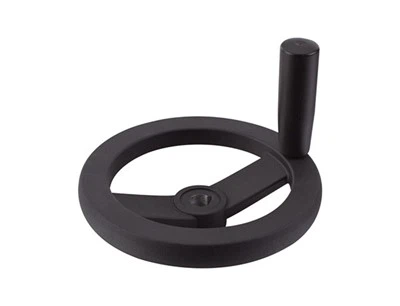
Before we discuss their applicability in the glass - manufacturing sector, let's first understand what indicator handwheels are. Indicator handwheels are mechanical devices that combine the functionality of a handwheel with a position - indicating feature. They allow operators to precisely control and monitor the position of a component, such as a valve, a slide, or a spindle.
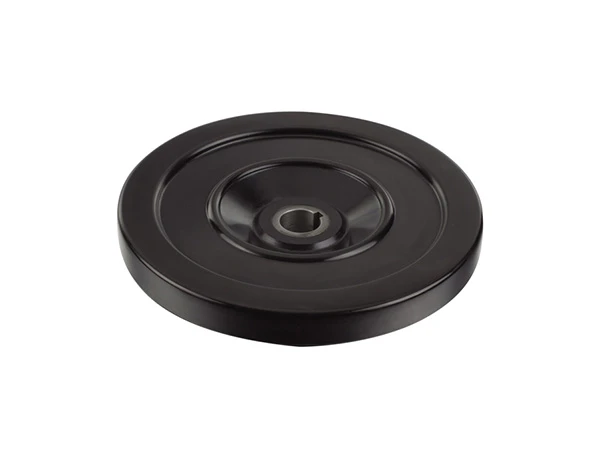
There are different types of indicator handwheels available in the market. For instance, Aluminum Alloy Handwheel is lightweight yet durable, making it suitable for applications where weight is a concern. Solid Handwheels offer high strength and stability, often used in heavy - duty operations. And Position Indicator Handwheels provide accurate position feedback, which is crucial for processes that require precise adjustments.
Glass - Manufacturing Processes and Their Requirements
The glass - manufacturing industry is a complex and highly specialized field. It involves several key processes, including melting, forming, annealing, and finishing. Each process has its unique requirements in terms of precision, control, and safety.
- Melting: In the melting process, raw materials such as sand, soda ash, and limestone are heated to extremely high temperatures in a furnace. Precise control of the furnace's various components, such as the burners and the damper valves, is essential to maintain the correct temperature and atmosphere inside the furnace. Indicator handwheels can be used to adjust these components accurately, ensuring consistent melting conditions.
- Forming: Once the glass is melted, it needs to be formed into the desired shape. This can be done through various methods, such as blowing, pressing, or rolling. During the forming process, precise control of the forming equipment, such as the molds and the rollers, is required to produce high - quality glass products. Indicator handwheels can be installed on these machines to allow operators to make fine adjustments to the position and movement of the forming tools.
- Annealing: Annealing is a heat - treatment process that relieves internal stresses in the glass and improves its strength and durability. The annealing furnace needs to be carefully controlled to ensure a uniform cooling rate. Indicator handwheels can be used to adjust the flow of air or gas in the annealing furnace, as well as the position of the heating elements, to achieve the desired annealing conditions.
- Finishing: The finishing process involves cutting, grinding, polishing, and coating the glass products. These operations require high precision to meet the strict quality standards of the glass industry. Indicator handwheels can be used on the finishing equipment to control the movement and position of the cutting tools, grinding wheels, and polishing pads.
Benefits of Using Indicator Handwheels in Glass - Manufacturing Industries
There are several benefits of using indicator handwheels in the glass - manufacturing industries:

- Precision Control: Indicator handwheels allow operators to make precise adjustments to the position of various components in the glass - manufacturing equipment. This precision is crucial for producing high - quality glass products with consistent dimensions and properties.
- Visibility and Monitoring: The position - indicating feature of indicator handwheels provides operators with real - time feedback on the position of the component they are controlling. This visibility helps operators to monitor the process more effectively and make timely adjustments if necessary.
- Safety: In the glass - manufacturing industry, safety is of utmost importance. Indicator handwheels can be designed with safety features, such as locking mechanisms, to prevent accidental adjustments. This helps to reduce the risk of equipment damage and operator injury.
- Durability: Glass - manufacturing processes often involve harsh environments, such as high temperatures, high pressures, and corrosive chemicals. Indicator handwheels made from high - quality materials, such as aluminum alloy or stainless steel, can withstand these harsh conditions and provide long - term reliability.
Considerations When Using Indicator Handwheels in Glass - Manufacturing
While indicator handwheels offer many benefits in the glass - manufacturing industries, there are also some considerations that need to be taken into account:
- Material Compatibility: The materials used in the indicator handwheels need to be compatible with the glass - manufacturing environment. For example, in high - temperature applications, the handwheel materials should have good heat resistance. In corrosive environments, materials with high corrosion resistance should be selected.
- Accuracy Requirements: Different glass - manufacturing processes have different accuracy requirements. The indicator handwheels should be selected based on the specific accuracy needs of the application. For processes that require extremely high precision, handwheels with high - resolution indicators may be necessary.
- Maintenance: Regular maintenance is essential to ensure the proper functioning of indicator handwheels. This includes cleaning, lubrication, and inspection of the handwheel components. In the glass - manufacturing industry, where the equipment is often in continuous operation, a well - planned maintenance schedule is crucial.
Conclusion
In conclusion, indicator handwheels can indeed be used in the glass - manufacturing industries. They offer precise control, visibility, safety, and durability, which are all important factors in the glass - manufacturing processes. However, careful consideration needs to be given to material compatibility, accuracy requirements, and maintenance when selecting and using indicator handwheels.
If you are in the glass - manufacturing industry and are interested in exploring the use of indicator handwheels in your operations, I encourage you to contact us for more information. We can provide you with detailed product specifications, application advice, and customized solutions to meet your specific needs. Let's work together to improve the efficiency and quality of your glass - manufacturing processes.
References
- "Handbook of Glass Manufacturing Technology" by Dominic R. Uhlmann and Narottam P. Bansal
- "Glass Science and Technology" by David R. Uhlmann and Nicholas J. Kreidl