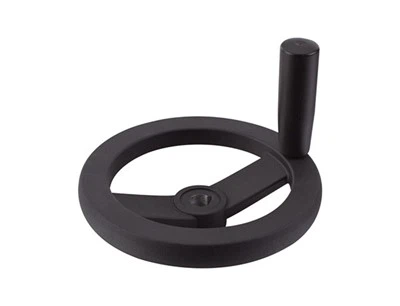
Hey there! As a supplier of Lathe Crank Handles, I've seen firsthand the importance of durability in these essential tools. A lathe crank handle that doesn't last can lead to downtime, increased costs, and a whole lot of frustration. So, I'm here to share some tips on how to improve the durability of a lathe crank handle.
Material Selection
The first step in improving the durability of a lathe crank handle is choosing the right material. You want something that's strong, resistant to wear and tear, and can handle the stresses of regular use.
Metals
- Steel: Steel is a popular choice for lathe crank handles because it's strong and durable. It can withstand high levels of torque and is resistant to bending and breaking. There are different types of steel, like carbon steel and stainless steel. Carbon steel is cost - effective and has good strength, while stainless steel is corrosion - resistant, which is great if the handle will be used in a moist or corrosive environment.
- Aluminum: Aluminum is lighter than steel, which can make the crank handle easier to operate. It also has good corrosion resistance. However, it's not as strong as steel, so it might not be the best choice for applications that require high torque.
Plastics
- Nylon: Nylon is a tough and lightweight plastic. It has good impact resistance and can absorb vibrations, which can reduce stress on the handle. It's also resistant to chemicals, making it suitable for use in various industrial environments.
Design Considerations
The design of the lathe crank handle plays a crucial role in its durability.
Shape
- A well - designed shape can distribute the force evenly across the handle. For example, a Straight Crank Handles design is simple and straightforward, which can reduce stress concentrations. On the other hand, Ball Crank Handles provide a better grip, which can prevent the handle from slipping during use and reduce the risk of damage.
Size
- The size of the handle should be appropriate for the application. A handle that's too small might not provide enough leverage, which can lead to excessive force being applied and increase the risk of breakage. A handle that's too large can be cumbersome and difficult to operate.
Reinforcement
- Adding reinforcement to the handle can significantly improve its durability. For example, you can add ribs or gussets to the handle to increase its strength. This can help the handle withstand higher levels of torque without deforming or breaking.
Manufacturing Processes
The way the lathe crank handle is manufactured can also affect its durability.


Machining
- Precision machining is essential for creating a high - quality lathe crank handle. A well - machined handle will have smooth surfaces and accurate dimensions, which can reduce friction and wear. It's important to use the right cutting tools and machining parameters to ensure a good finish.
Heat Treatment
- Heat treatment can improve the hardness and strength of the handle. For example, quenching and tempering steel can increase its hardness and toughness, making it more resistant to wear and deformation.
Maintenance and Care
Proper maintenance and care can extend the life of a lathe crank handle.
Cleaning
- Regularly clean the handle to remove dirt, debris, and lubricants. This can prevent the build - up of contaminants that can cause corrosion or wear. You can use a mild detergent and a soft cloth to clean the handle.
Lubrication
- Lubricating the moving parts of the handle can reduce friction and wear. Use a high - quality lubricant that's suitable for the material of the handle. Make sure to apply the lubricant regularly to keep the handle operating smoothly.
Inspection
- Periodically inspect the handle for signs of wear, damage, or fatigue. Look for cracks, bends, or excessive wear on the surface. If you notice any problems, replace the handle immediately to prevent further damage or accidents.
Quality Control
As a supplier, I understand the importance of quality control. We have a strict quality control process in place to ensure that every Lathe Crank Handle we produce meets the highest standards of durability.
Testing
- We test our handles for strength, torque, and wear resistance. We use specialized equipment to simulate real - world conditions and ensure that the handles can withstand the stresses of regular use.
Certification
- Our products are certified to meet industry standards. This gives our customers peace of mind knowing that they're getting a high - quality, durable product.
Conclusion
Improving the durability of a lathe crank handle involves a combination of factors, including material selection, design, manufacturing processes, maintenance, and quality control. By following these tips, you can ensure that your lathe crank handles last longer, perform better, and save you money in the long run.
If you're in the market for high - quality, durable lathe crank handles, I'd love to talk to you. Whether you need a custom - designed handle or a standard model, we've got you covered. Reach out to us to start a discussion about your specific requirements and let's work together to find the perfect solution for your needs.
References
- "Materials Science and Engineering: An Introduction" by William D. Callister Jr. and David G. Rethwisch
- "Mechanical Design Handbook" by Myer Kutz