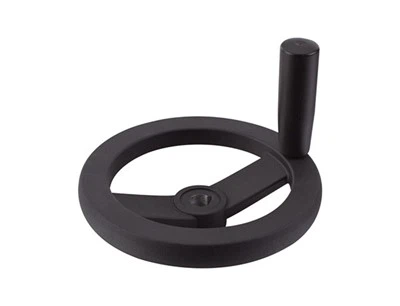
Hey there! As a revolving handle supplier, I've been getting a lot of questions lately about the acoustic performance of these nifty little tools. So, I thought I'd sit down and share what I know with you all.
First off, let's talk about what we mean by "acoustic performance." When we're talking about revolving handles, acoustic performance refers to how much noise the handle makes when it's in use. This can be a big deal, especially in environments where noise levels need to be kept to a minimum, like in a library, a hospital, or a recording studio.
So, what factors affect the acoustic performance of a revolving handle? Well, there are a few things to consider.
Material Matters
The material the handle is made from plays a huge role in its acoustic performance. For example, handles made from hard plastics or metals like steel can produce a fair amount of noise when they're turned. This is because these materials are durable but also quite rigid, and when they rub against other parts of the mechanism, they can create a clicking or rattling sound.


On the other hand, handles made from softer materials like rubber or certain types of foam tend to be much quieter. These materials absorb some of the vibrations that cause noise, so they can help keep things nice and quiet.
Design Details
The design of the revolving handle also matters. Handles with a smooth, well - machined surface are generally quieter than those with rough or uneven surfaces. When a handle has a rough surface, it can cause more friction when it rotates, which in turn creates more noise.
Another design factor is the way the handle is attached to the mechanism. A loose or poorly - fitting handle can rattle around, making all sorts of unwanted noise. A handle that is securely and precisely attached will be much quieter.
Lubrication
Lubrication is key when it comes to reducing noise. Applying a small amount of lubricant to the moving parts of the revolving handle can significantly decrease the friction between them. This means less noise and a smoother operation. However, it's important to use the right type of lubricant. Some lubricants can attract dust and dirt over time, which can actually make the problem worse.
Real - World Applications
Let's take a look at some real - world scenarios where the acoustic performance of a revolving handle can make a difference.
In industrial settings, noisy handles can be a nuisance. Workers are often exposed to a lot of noise from machinery, and an extra rattling handle can add to their discomfort. In these cases, choosing a handle with good acoustic performance can improve the working environment and reduce the risk of noise - induced hearing loss.
In consumer products, such as furniture or home appliances, quiet handles are also highly desirable. For example, a quiet revolving handle on a cabinet or a drawer can make the whole experience of using the furniture more pleasant. No one wants a noisy handle waking them up in the middle of the night when they're trying to get a glass of water from the kitchen cabinet.
Our Product Range
As a revolving handle supplier, we offer a wide range of handles to suit different needs. If you're looking for high - quality revolving handles, check out our Lathe Crank Handle. These handles are designed for precision and durability, and we've taken steps to ensure they have good acoustic performance.
We also have Fold - away Crank Handles. These are great for applications where space is limited, and they're engineered to operate quietly.
And for those who need a handle with a bit of style, our Ball Crank Handles are a popular choice. They not only look good but also perform well acoustically.
Measuring Acoustic Performance
Now, you might be wondering how we measure the acoustic performance of our revolving handles. Well, we use specialized equipment to measure the sound levels produced by the handles during operation. We test them under different conditions, such as different rotation speeds and loads, to get a comprehensive understanding of how they perform.
We then compare the results against industry standards to ensure that our handles meet or exceed the requirements for quiet operation. This way, you can be confident that when you buy our handles, you're getting a product that won't make a racket.
Tips for Maintaining Acoustic Performance
Once you've purchased a revolving handle, it's important to take steps to maintain its acoustic performance. Here are a few tips:
- Regular Cleaning: Keep the handle clean to prevent dirt and debris from building up. This can cause the handle to become noisy over time.
- Check for Loose Parts: Periodically check to make sure all the parts of the handle are securely attached. A loose part can create noise.
- Re - lubricate as Needed: Over time, the lubricant on the handle may wear off. Re - apply a small amount of lubricant to keep the handle running smoothly and quietly.
Conclusion
In conclusion, the acoustic performance of a revolving handle is an important factor to consider, whether you're in an industrial setting or just looking for a quiet handle for your home. At our company, we're committed to providing high - quality revolving handles that not only perform well but also operate quietly.
If you're in the market for revolving handles and want to learn more about our products, or if you have any questions about acoustic performance, don't hesitate to get in touch. We're here to help you find the perfect handle for your needs. Let's start a conversation and see how we can work together to meet your requirements.
References
- "Engineering Noise Control: Theory and Practice" by Colin H. Hansen and David L. Koopmann
- "Noise Reduction Techniques for Electronic Systems" by Henry W. Ott